All posts by nickrileyarchitect

Nick is a qualified Architect, with over 15 years experience. He has led projects up to the value of £50m. Nick is Board Director at Lewis and Hickey Ltd and is responsible for reporting on the Manchester office and Group Business Development. His main office base is Nottingham. Nick lives in Derby and is married with a young daughter. He enjoys playing golf (badly!) and follows Formula 1 and motorsport in general.

Abandoned Places

Happy New Year. My little blog site has been quiet for a while so I thought it was time I got back on it! The end of this month will mark the second anniversary of my blog and I’ve had over 30,000 views now so thanks for calling in here. People still mention the blog when I see them, so I figure its worthwhile carrying on and sharing my thoughts on the world, with whoever might be interested (or not).

So back to the title; Abandoned Places…Whilst on my travels one thing I’ve been mulling over for a little while is how many abandoned buildings there must be in the world; the ones which had a story and some importance one day, but for unforeseen reasons have subsequently been left derelict. My thoughts were once again prompted yesterday when I had a meeting in an office overlooking the defunct Waterloo International Station in London. Designed by Nicholas Grimshaw and built for a cool £120m in 1993, it was vacated in 2007 and hasn’t really been used since. Surely a building of this scale was intended to last longer than 14 years! Although in that time it saw over 80m people pass through it.

Waterloo Detroit in the USA is perhaps well known for its Industrial past, followed by a radical abandonment which saw its population more than half to 700,000, from 1.8m in the 1950’s. Home of the American motor car and Motown music, this City went from boom to bust in a big way. There are many derelict buildings and areas of Detroit, including housing, skyscrapers, factories, warehouses and much more. One building stands out though as its been regarded as both the “tallest railway station in the world” when built, and “the world’s largest abandoned railway station” more recently. It is Michigan Central Station. Last used as an active station 1988.
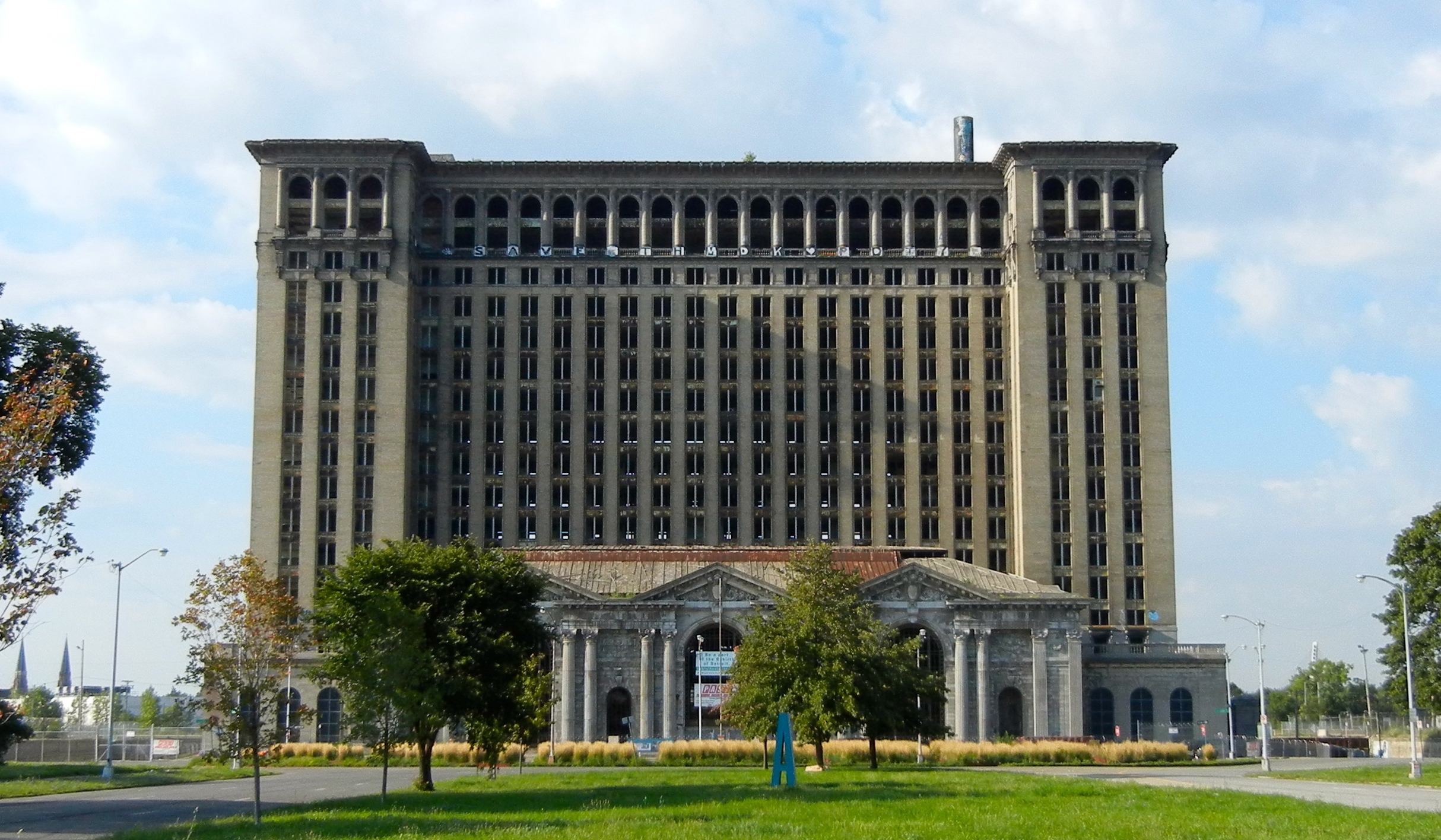
Michigan Central StationMoving away from train stations, one City in the Ukraine had seen rapid expansion during the 1970’s, before being completely and immediately abandoned in April 1986. Pripyat was the nearest City to the Chernobyl disaster. The City had been developed to house the many workers and families of the Nuclear Power plant. The City contains 160 apartment blocks, infrastructure, schools, a wide range of leisure and recreation facilities and everything else you’d expect to see for a place of over 50,000 inhabitants. Today, Pripyat has an odd existence. It stands completely still in time – as if frozen almost. Life does exist there, but not people. Trees and vegetation have claimed this empty City. An odd site.

PripyatAgain in the 1970’s some Taiwanese developers built the Sanzhi UFO houses as a holiday resort. These were targeted at US Military officers who would buy the things. The project ran out of money before it was fully completed, but they remain today. They remind me a little of Tom Bloxham’s Bubble House in the South of France (originally built for fashion designed Pierre Cardin). Maybe Urban Splash should redevelop these UFO houses!
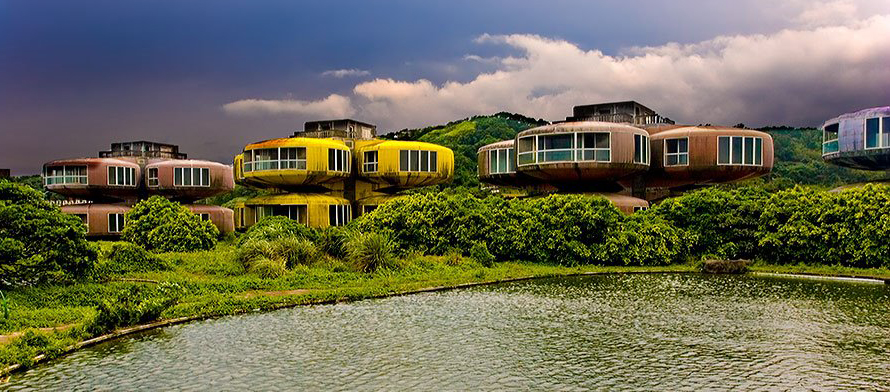
Sanzhi UFO housesEver heard of the sleepy Wiltshire village of Copehill Down? Its a complete village, but nobody has ever lived there – and you wouldn’t want to either! Its a secure Ministry of Defence training facility, built in the late 1980’s as a mock German village. In more recent years the village has been expanded using cargo containers to resemble a Shanty town. This is to train combat troops before deployment to Afghanistan.

Copehill DownYou’ll easily recognise the world famous structure in the photo below, but does the context look a bit different? The City of Tianducheng in China was part of a trend to replicate great cities from around the world. The Parisian City was planned and constructed in 2007 to house over 100,000 inhabitants, however current estimates are that around 2000 people live there.

Tianducheng CHINAStaying in China, the Dongguan New South China Mall is the “second largest shopping centre in the world” (after the Dubai Mall). It was developed by an ‘instant noodle billionaire’ (now that’s a claim!) Its total floor area is 9.6 million ft2 and it can accommodate 2350 shops! However, following its construction in 2005, the entire Mall is now empty. And we thought the UK High Street had problems.

Dongguan October 2010My final building has been “in construction” for 27 years now, with the most recent effort to complete the building in 2012. It still isn’t finished. The Ryugyong Hotel in Pyongyang, Korea stands at 105 storeys high (that’s 24m taller than the Shard) and has over 3000 bedrooms! Its huge. The building stood, for over a decade, as just an exposed concrete structure (see photo on the left). In recent years its been clad in glass, but the interiors are incomplete. Definitely not the most inspiring tall building I’ve seen on my travels; the Burj Khalifa is far more impressive (however much of that is empty too!)

RYUGYONG HOTELSo there you go; a random, eclectic and perhaps unique collection of buildings and places from around the world which, have been abandoned for different reasons and frozen in time.
The financial value of Student Living

This week is the annual Property Week Student Accommodation conference in London. It’s attended by around 500 property professionals including; investors, developers, operators, universities, contractors and consultants. Some refer to it as the annual group hug where we reflect on how the sector/ asset class has performed in the last year and what might be in store for 2014. There is no doubt that 2012 was a tough year, I blogged about it – click here to see it. But this year is looking much stronger again in terms of occupancy levels, despite some major headlines with Opal Property Group going and others re-structuring their finances at present.

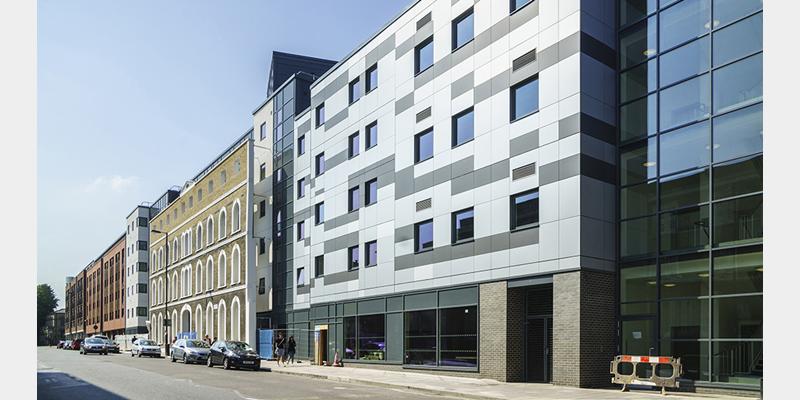
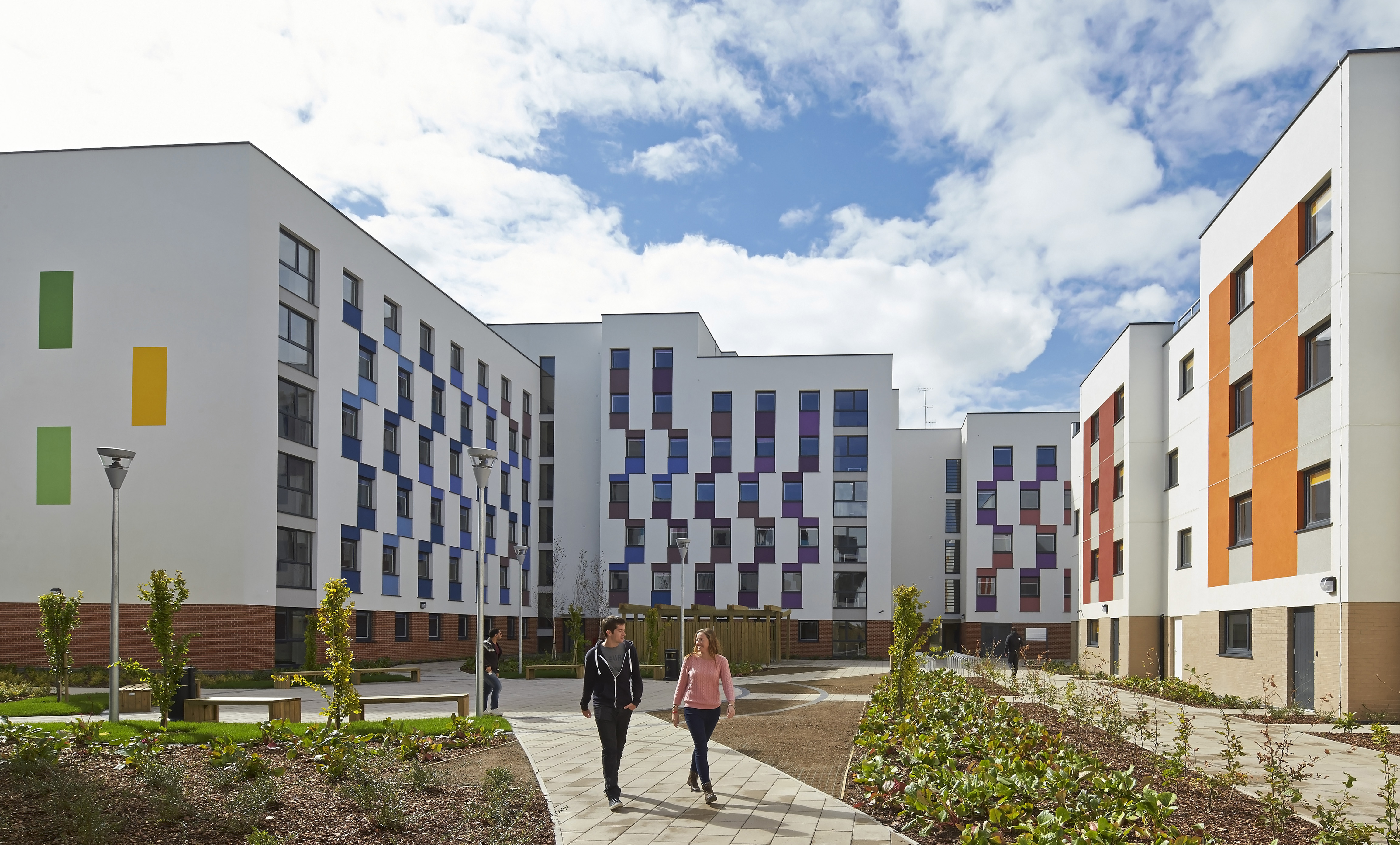
Bouygues_The Meadows_Essex University_┬®Hufton+Crow_028So what is all the fuss about with Student Living and why has it remained so resilient during the last five years, while most of the property/ construction sector has been slow? Well here’s some numbers which give some context to the scale of the sector today…

  • There are around 460,000 purpose built student living bedspaces now in the UK, in circa 860 buildings.
  • The number of full time students for 2011/12 was 1.72m and this has risen steadily over the preceding years, with an overall increase of 20% in the last ten years.
  • Universities own around 50% of the student living property market, with the balance being private operators. Just a few years ago, the ratios were much higher for Universities (70-80% of market share).
  • The average weekly rent for a bedroom in a purpose built student living development is now £110+, with London fetching over £180 (this equates to between £4500-£7500/ year minimum). There are high-end rentals in London of £500+/ week (£21k/ year).
  • The sector has seen over 1.6 billion of investment activity since September 2012, accounting for 30,000 beds.
  • Applications to study in the UK increased by 3.1% up to June 2013, the highest number since 2009.
  • Overseas student numbers are expected to increase by 15-20% by 2018 which will generate £3.9bn in tuition fees for Universities.

(Sources: Deloitte Student Housing 2013 and GVA Who owns student housing?)

So what does the ‘average’ student spend in a year? Here’s a basic overview;

  • Up to £9000 in tuition fees (UK students).
  • Around £5000 in accommodation costs.
  • Around £5000-6000 in living costs.
  • TOTAL = £20,000 (x3 years = £60k for a degree)

If you multiply this annual figure by 70% of the total 1.72m students (allowing for internationals and live at home students), you generate a figure of over £24bn. That starts to give some tangible scale to the ‘value’ of students.

P1030184For accommodation only, the annual figure is around £2.3bn based on the 460,000 bedspaces.

So where are the opportunities going forward? As you’d expect with property, its all about location. All of the UK Russell Group University Cities are well provided for, especially as these locations tend to have multiple institutes to serve, which provides investor confidence. Nottingham has one of the highest concentrations of privately owned beds (90%), although this figure will be skewed by the fact that UPP own most of the on-campus stock at both the University of Nottingham and Nottingham Trent University. Oxford and Cambridge only have 10% privately owned provision, but that is influenced by difficult Planning conditions and land values. Brighton and Norwich are among the strongest potentials for growth.

Knight Franks latest report, Student Housing 2014 can be seen here. This again reinforces the strength and continued investment potential in the sector.

To date, our practice have designed and delivered over 14,000 bedspaces for student living. This equates to around £500m of construction activity! See a small selection of our recent projects here. Or contact me to find out more | nick.riley@lewishickey.com

Big numbers when you start to add this up. That is why this asset class has become so important and is still attracting strong investment.

The Library of Birmingham | Rewriting the book

Think of the coolest contemporary building in your city. A building which is innovative and cutting edge in both its form and function. I wonder if anyone has thought of a library? I suspect not. Unless perhaps if you live in Birmingham.

From working in the higher education sector over recent years, I have seen a new breed of ‘Learning Resource Hubs’ emerge; a new type of library which incorporates digital media and creates working areas where interaction is promoted. These are good buildings.

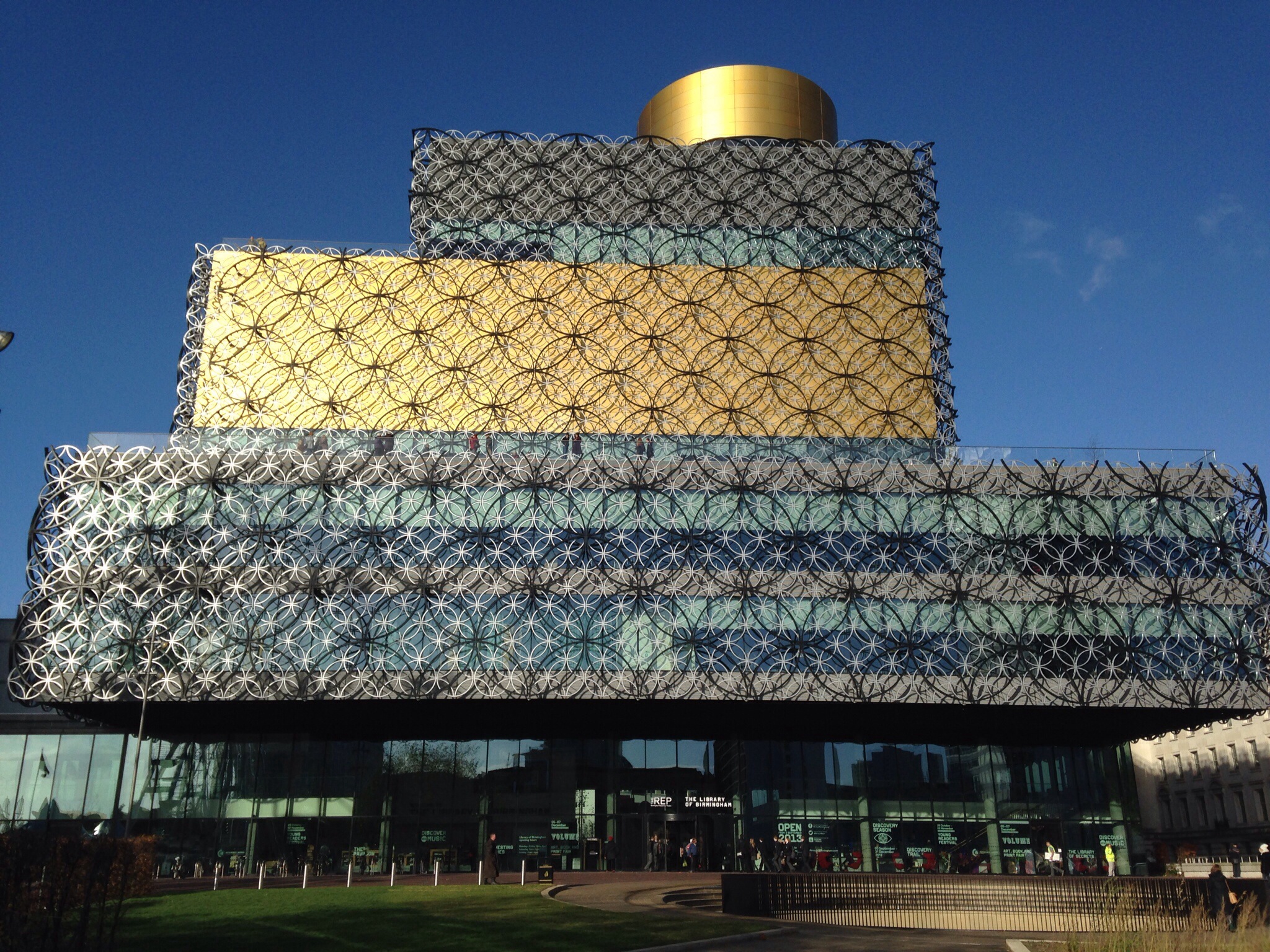
Whilst in Birmingham last week I visited the recently opened Library of Birmingham. It’s was designed by Mecanoo architects following a high profile RIBA international competition which attracted Fosters and Hopkins, amongst others. The building cost £190m to build, which is bold for a local authority to expend that much cash through such austere times. But this project has a long history and has seen numerous iterations, on two different sites, designed by different architects. I must admit; I knew very little about this building, other than having seen its ‘bling’ facades emerge when driving through the city.

20131124-205812.jpgThis building is like no other library I have experienced. It’s principle function is as a contemporary library, but it’s use is wide ranging. In its short life, it’s has become a visitor attraction and more than that; a community hub. I wandered around for a short while to understand the different levels and experience the different spaces. What was very evident was that this 35,000m2 building attracts every age and walk of life. People come here to read, relax, see the city, have business/ social meetings, see/ exhibit art, work, eat/ drink, surf the net and no doubt much more. The building had a positive, but respectful buzz of activity and interaction – not something you’d typically expect for a library. A trip up to the two external landscaped terraces provides good views of the city, although looking down onto Birmingham city centre is a real mixed bag!

Birmingham seems to have a history of pushing the boundaries when it comes to facades. The Selfridges Store at the Bull Ring was bold in its time. The facades of this new Library take a new dimension. The building envelope is extensively glazed and highly insulated to achieve strong sustainability credentials. But the appearance of the building is defined by its intricate, curvaceous extruded aluminium frieze. This is a German engineered and manufactured system which sits nearly a meter off the main facade. It’s gives the building great depth and articulation and looks equally impressive both in day and night time thanks to its reflective colours and uplighting.

IMG_6219aI strongly suspect that this is an architectural solution we will see more of in the future. The principle being; a simple, flat facade which provides high performance, with a decorative second layer which is completely open to creative freedom; not confined by windows, structure, services etc. Although the building envelope for this project cost £14m so it is expensive as well.

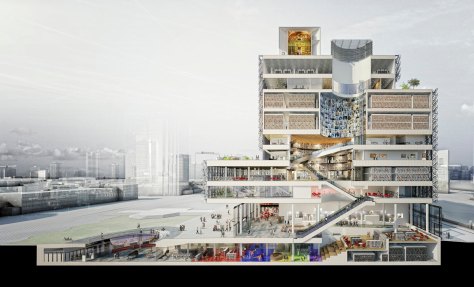
Circulating through the building is interesting. You travel on escalators through a series of connected atrium spaces. This gives you a great appreciation for the scale of the building. The bookshelves extend out to the facades radially on plan from the atrium. This optimises daylight penetration and creates generous spaces in between the books which have a wide range of seating areas. The top levels are accessed via a glass lift which passes the closed off archive facilities. The very top of the building has a final surprise; A wood-panelled room, originally designed by John Henry Chamberlain and built in 1882 to house the Birmingham Shakespeare Library. It has been dismantled, labelled and relocated to the rotunda. Its been called the Shakespeare Memorial Room. Having traveled though such a modern environment, it’s strange to arrive in a traditional old space at the top.

IMG_6248alibrary of birmingham sectionThis building is genuinely impressive on a number of levels, in both its use and form. I think it is a strong precedent for contemporary architecture and is well worth a visit if you’re in Birmingham. It’s definitely a building to see AND experience. I think other UK Cities could benefit from a building like this; something which adds to the City identity and creates a contemporary community facility.

The Library of Birmingham does rewrite the book, its just a shame its not more British!

The importance of Remembrance Day

Every year in the UK, and most of the world, we stop for a moment to remember all those civilians and service personnel who have lost their lives during conflict. This day and its timings date back to the end of World War 1 in 1919, but as every year passes; people are still losing their lives in the line of duty. In Afghanistan in 2012 around 500 British soldiers were killed. However the figures from the two World Wars we have endured are staggering!

poppy-field-in-the-sunset-flower-hd-wallpaper-1920x1200-4136In WW I there are estimated to have been 37 million total casualties, with 16 million deaths. Of those around 1 million British people died. In WW II a massive 60 million people died. That equated 2.5 % of the total population of the world and made it the deadliest military conflict in history. The UK lost around 400,000 this time round. These figures include both service personnel and civilians.

Those people who survived these wars are sadly diminishing from us, but the memories must somehow live on.

In 2013 it’s hard to comprehend how life would have been during these conflicts. Life back then was clearly very different and communication would have been very limited – and slow. If conflict or tragedy occurs today; we get to know about it and see it happening live.

The closest I have been to sensing what war would have been like was around 10 years ago when I visited Ypres. I went to one of the many war cemeteries and witnessed hundreds of identical gravestones all immaculately lined up, there were fields of them! We also went to a museum which was full of objects found in the fields after the war. There was also an original arrangement of trenches which you could walk through. This experience was both moving and sobering. I somehow felt privileged to have been there, on the very soil where relentless and bloody conflict took place.

In September this year two Yorkshire based artists, Jamie Wardley and Andy Moss, created a temporary piece of art on the beaches of the D-Day landings;

“On the 21st September 2013 it is International Peace Day. We are making an event called ‘The Fallen’ on the D-Day landing beach of Arromanches in northern France that illustrates what happens with the absence of peace. It was on the 6th June 1944 that a total of 9,000 civilians, German forces and Allies lost their lives. Our challenge is to represent those lives lost between the times of the tide with a stark visual representation using stencilled sand drawings of people on the beach. Each silhouette represents a life and when it is washed away its loss. There is no distinction between nationalities, they will only be known as ‘The Fallen’.”

This is a very creative way to mark and remember this atrocious event and those lives lost. You can find out more here.

18515531_390331Image courtesy of Sandinyoureye

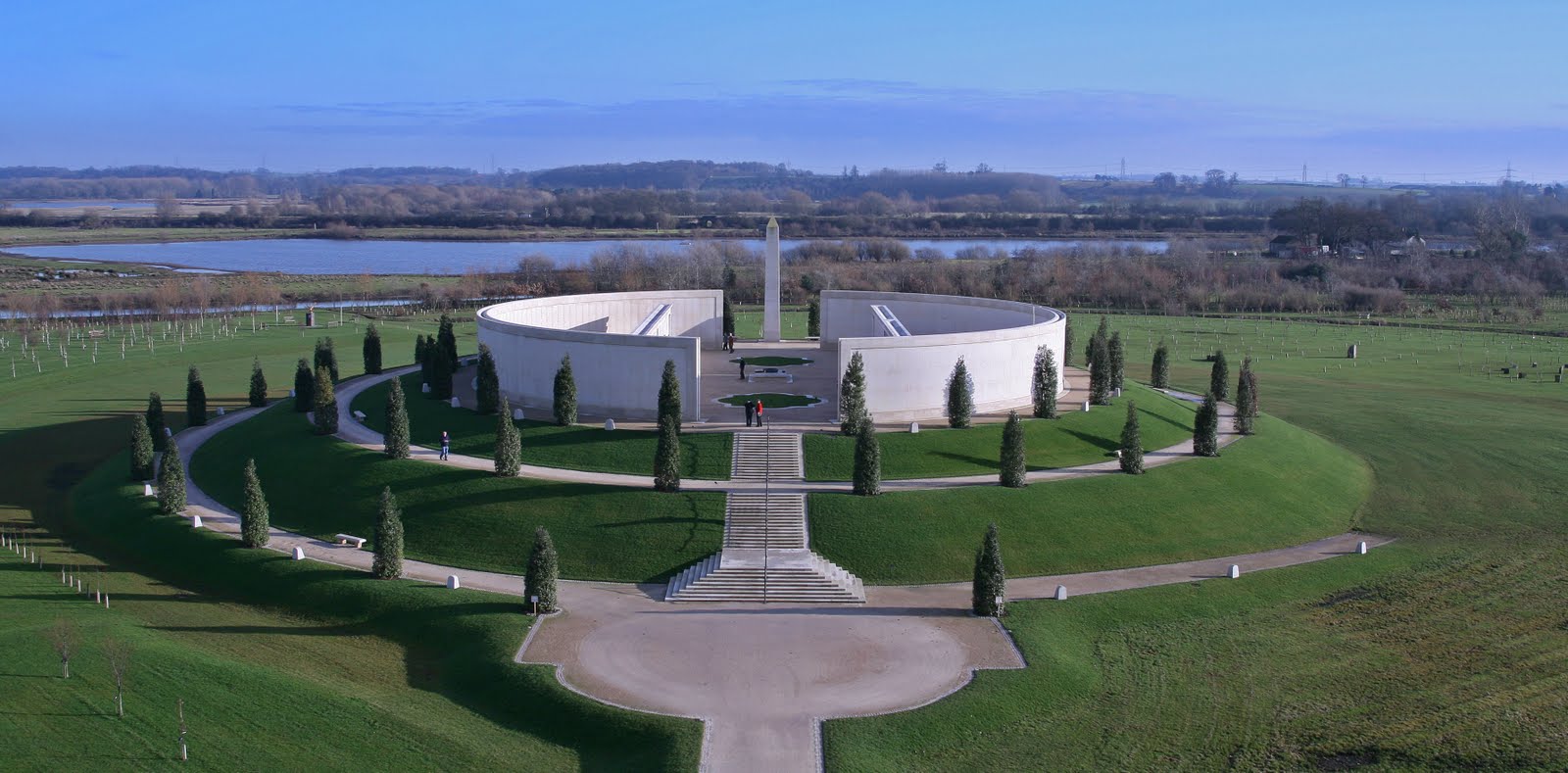
In the early 2000’s The National War Arboretum was built near Lichfield in Staffordshire. It was created to “honour the fallen, recognise sacrifice and foster pride in our country”. It is a creation of 250 memorials within a 150-acre park. Over 50,000 trees have also been planted for the arboretum to be a living tribute. I’ve been there a couple of times, but would like to go back sometime soon. It’s certainly worth a visit I would say. You can find out more here.

Armed_Forces_Memorial

I think we have social and moral duty to mark Remembrance Day with the utmost of respect. So many people have lost their lives and continue to put themselves in grave danger to promote peace in the world.

All military service personnel of the British forces, both past and present – we respect you immensely – Thank you.

Supermarket Success

Many people are quick to be critical of Supermarkets based on the negative impact they have had on Great Britain’s High Streets. The way we purchase our groceries has changed substantially in the last couple of decades. In fact a massive 90% of our UK grocery shopping is done in our Supermarkets. 3% of these sales are now on-line for local delivery; this is a rapidly growing trend. So whilst people are critical of these companies, they continue to shop with them. The likes of Tesco, Sainsbury’s, Asda and Morrisons have become hugely successful companies, but how do they do it?

Gregg-Wallace_1851584bI watched Autumns Supermarket Secrets with Masterchef presenter Greg Wallace last week. This was the second part in a series which gives an insight to the operations of these huge companies. I was intrigued to understand a bit more about how companies like Tesco operate. Tesco is the largest retailer in the UK and second in the world. Wal-Mart is the largest globally; they own Asda who are the 3rd largest in the UK. These are big business’ with ever increasing turnover and profits.

In the programme they looked at the design/ layout of supermarkets and also customer spending trends. Some interesting facts are;

1. The Fruit and Vegetable aisles are always at the front of the store as its a soft way to encourage the customer into the “retail experience”. The items are generally loose and full of different colours. The aisles are really wide because people are in a transition into the store, therefore they are most likely to leave their trolley as they wander around.

2. We love ‘British’ produce. The challenge is how can the supermarkets put fresh British produce on the shelves all year-round? Working with their suppliers they have developed lots of ways of both growing and storing fruit and veg to keep it going longer.

3. The central spine aisle is the prime retail zone where the highest footfall and sales are generated. Therefore the ends of the shopfittings (called gondolas) have all the promotions and multi-purchase deals.

4. The freezer aisles are the least attractive/ engaging area of the store. Because its cold and you have to open doors or lean over into freezers. Therefore people spend the least time there. That’s why they are at the end of the store.

5. It’s logical to consider that it might be best to arrange the store according to how you fill your trolley (i.e. large/ solid/ boxed items first with softer/ loose/ compressible items last). However if they did this, people wouldn’t spend as much!

6. Every thought to yourself; this supermarket ‘own brand’ product probably comes out of the same factory as a similar independent ‘premium brand’ product? Well they actually do often come from the same factory. However, the content of those products is changed to suit the price point. Therefore its not just the packaging that differs.

6. It would seem that the UK have become obsessed with ‘ready meals’! We consume 1 in 3 ready meals across the whole of Europe. Convenience is no doubt a major driver in our spending trends as people lead increasingly busy lifestyles.

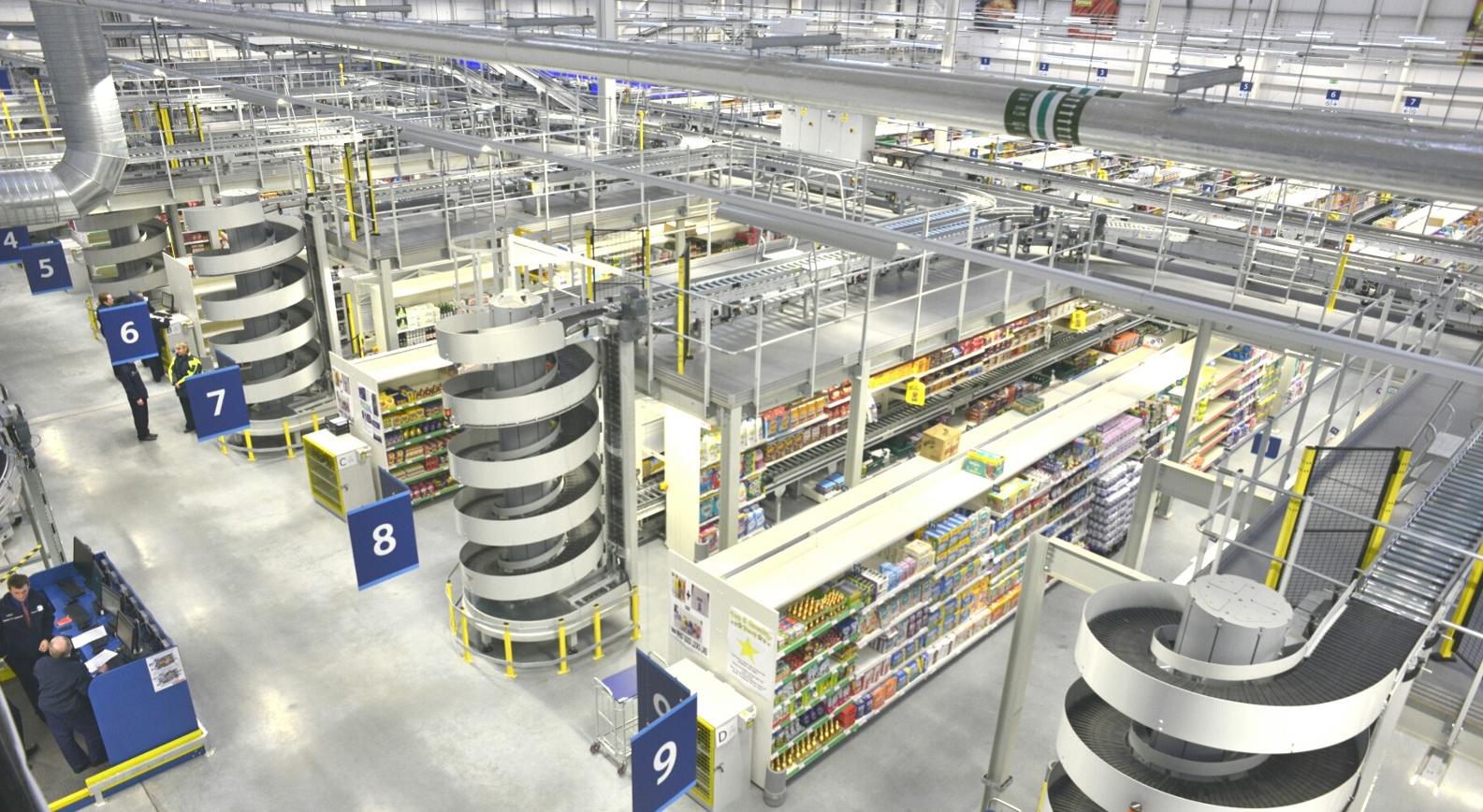
Whilst on holiday in a fairly remote part of Yorkshire last week, we saw numerous Tesco vans navigating the tight lanes. The emergence of home delivery must be a real game changer for rural locations. Likewise the supermarkets are driving their operational development to facilitate home delivery. In addition to the conventional ‘home delivery’ from your nearest store, a number of supermarkets have now got online warehouse facilities to pack the boxes which arrive at our front doors. These are just like a supermarket, but without all the customer promotional signs etc! The boxes travel around the store aisles on a conveyor belt and stop at predetermined locations to be filled. Staff at each ‘station’ scan a bar-code to see what needs to go in the box. The shelves are arranged in priority of frequency of items purchased, so the regular items are right in front of the operator whilst the more infrequently purchased items are down the aisle. Clever stuff!

dotcomcentreSo what can we take from all this? Well these companies have a very clear strategic focus on all aspects of their activity. Their objective is clearly to sell more and generate increased profits. They do this by analysing in detail what their customers want and how they buy it. Then they also push the boundaries in terms of maximizing their efficiency in how they get the products to the customer.

A simple reminder/ lesson for us all;

1. Properly understand and deliver your customer needs/ aspirations.
2. Know which products are in demand (and as importantly which aren’t!)
3. Maximise your profile/ offer through appropriate marketing.
4. Make sure that whatever you provide is efficient and effective from an operational perspective.

Strategic thinking. Every little helps…

Turning a corner…

A few people have commented recently that my blog has gone quiet, so I thought I’d give a brief update on what I’ve been rather consumed in recently…

We have been very busy over the last couple of months. From our own experience, and from talking to people in the Construction sector generally, it seems that there is a tangible increase in confidence. We are currently seeing a surge of opportunities which we’re involved in. I genuinely hope that this is a strong indication of a more sustained outlook after five somewhat challenging years!

During September we completed a number of student living developments taking our total count of bedrooms designed and delivered to over 13,000! In Birmingham we completed Phase 2 of our Aston Student Village project, on-campus at Aston University with Bam Construction.  Down in Colchester we completed the first phase of the Meadows project which is a new part of an expanding campus at the University of Essex, this was a PPP deal with ULiving (a consortium between Bouygues Development , Bouygues Construction and Derwent FM). Up in Scotland we have also completed phase 1 of a campus redevelopment for the University of Stirling with Graham Construction. We have very recently been bidding for another substantial student living scheme in the North West. We are up against some high profile competition on this scheme. Meanwhile our Crown Place project for the University of Liverpool is continuing at pace for a completion next summer. You can view this project live via the project webcam, click here.

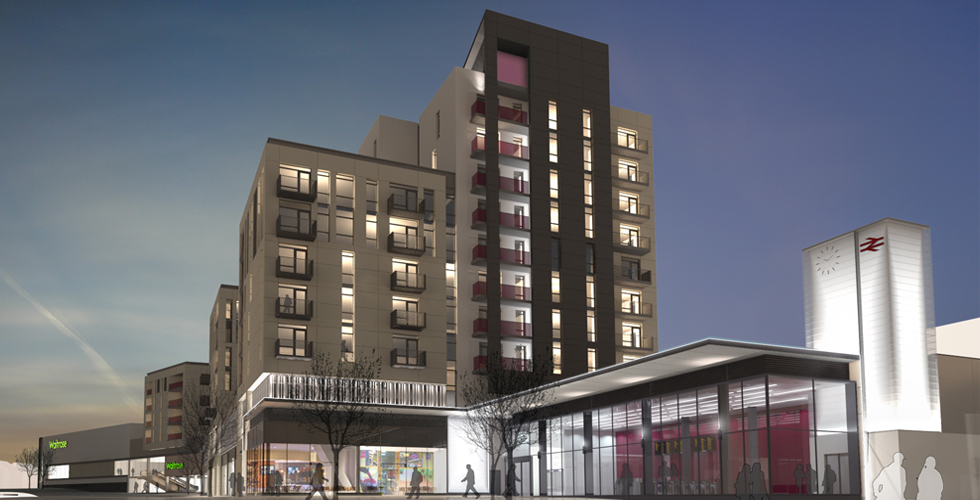
Led by our London office we have recently secured a Planning Approval for a large mixed-use development at Redhill station in Surrey (see image below). Our client is Solum Regeneration (a JV between Network Rail and Kier Investments). The project includes 150 residential apartments, a food store, a multi-storey car park and a new train station entrance building. We are also working on a number of other high-end residential projects in central London.

Redhill1Our Retail team have been very busy recently with a number of clients, including our longest standing client; M&S. This is our 91st year working with M&S! Up in Northwich we are nearing completion on a new-build Waitrose Store with H2O and Russells Construction. This project is part of a mixed-use Marina development.

Our Si Yuan building at the University of Nottingham recently picked up a prestigious award at the ‘Insider East Midlands Property Dinner’.

Judges Special AwardSituated on the university’s Jubilee Campus, the project was shortlisted in a number of categories at the region’s annual awards.  Announcing the award, judges said

“We felt this iconic development was worthy of a special mention. Repeatedly shortlisted, it scored so highly in so many categories – development, regeneration, sustainability design – that it was felt that this remarkable building and all those involved in it merited real praise and recognition. An unprecedented building deserved an unprecedented award.”

We worked with the University of Nottingham, GF Tomlinson, Gleeds and a number of other consultants on this scheme. We won this project through a design competition and I’ve still got one of my original sketches for this scheme on my desk.

Our team in Mumbai remain busy and have been bidding on a number of new projects, including a major convention centre. In September our team moved into new offices which are more centrally located with strong transport connections. Our international links are expanding with a number of active links with companies in Europe, America, Russia, Australia and the Middle East. We will be attending Mipim again next spring in Cannes. I will be part of the Invest in Nottingham delegation for 2014. I’ve supporting this great team of people for the last two years whilst over at Mipim, but I’m really pleased to be a formal part of the team next year.

So positive signs are definitely out there and I hope we can continue to build on our recent successes and emerging opportunities…

RIBA Stirling Awards 2013. The Shortlist

I have recently watched the BBC News documentary on the RIBA Stirling prize shortlist for 2013. Its worth a watch – and can be found on BBC iPlayer.

“The UK’s most important architecture award is not merely a beauty pageant; the judges look for original, imaginative and well executed designs, which excellently meet the needs of their users. The shortlisted and winning buildings reveal the pinnacle of current architectural talent – buildings that on all fronts and in every detail inspire those who use and meet them.” RIBA Stirling Awards Website

This years shortlist consists of the following;

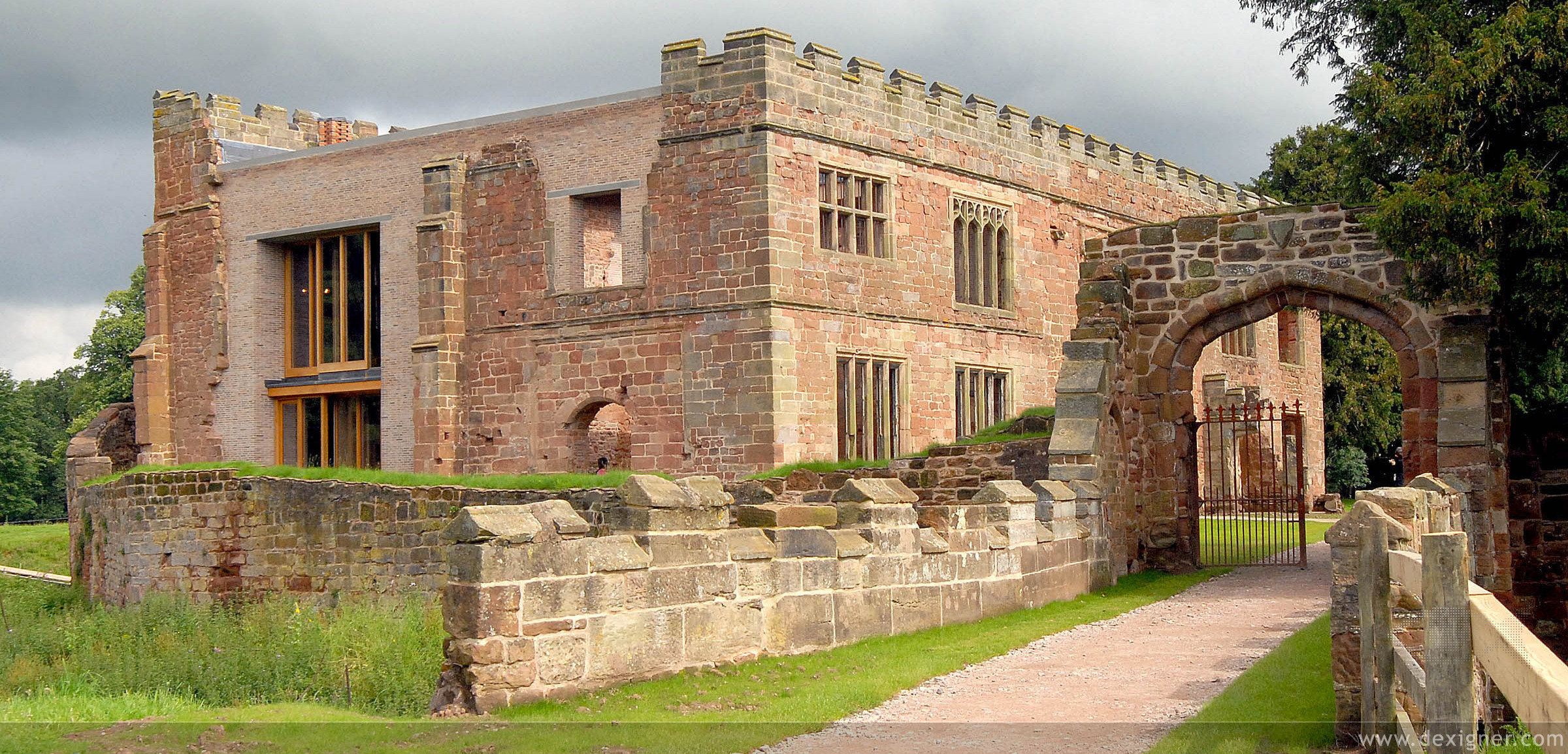
1. Astley Castle. A modern intervention to form a holiday home within a medieval castle/ scheduled ancient monument. The dilapidated ruin, of which the UK has many, faced an uncertain future, but the innovative idea of creating a ‘new chapter’ for this structure is an interesting concept. However a building which presumably was open to the public has now taken on a more private use – is this the right thing to do with a building of such historic importance?

Astley_Castle
2. Bishop King Edward Chapel
. The brief was to create a contemplative and prayerful environment. The chosen design was conceived as elliptical boat-like structure within the Oxfordshire countryside. The architecture is simple, modern, bright and light. An uplifting interior has been formed which certainly provides the ‘wow’ factor according to its users. I think this is a sensitive and positive interpretation on creating a modern place of worship, which is always a difficult thing to achieve I believe.

Bishops king edward chapel
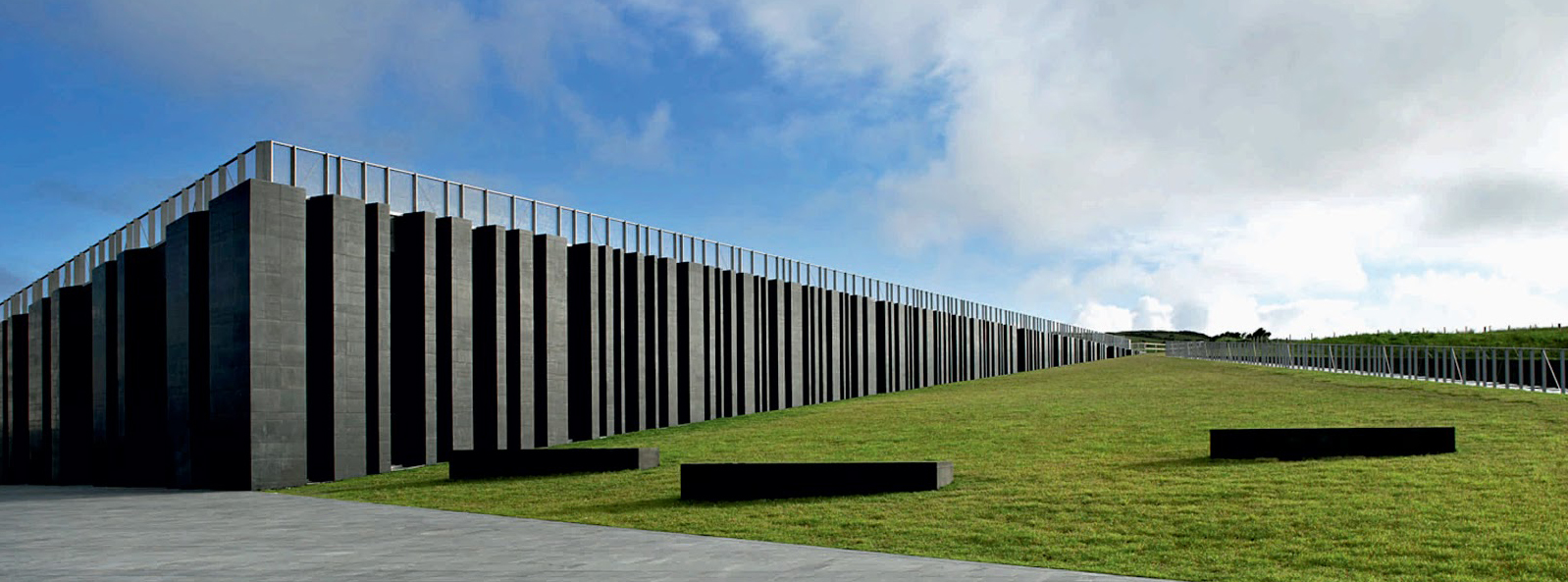
3. Giants Causeway Visitors Centre.
Certainly a building which blends into its environment. It only really has two part-elevations as the structure is submersed into the ground. However the visible external elements are clad in Basalt rock (to match its context). Internally it is very efficient in its energy usage via various sustainable systems employed. The interior is rather organic in its planning, “there is no set route through the building”; its open to user interpretation. Clearly a very public building, and a well recieved one it would seem at that.

Giant’s Causeway Visitor Centre
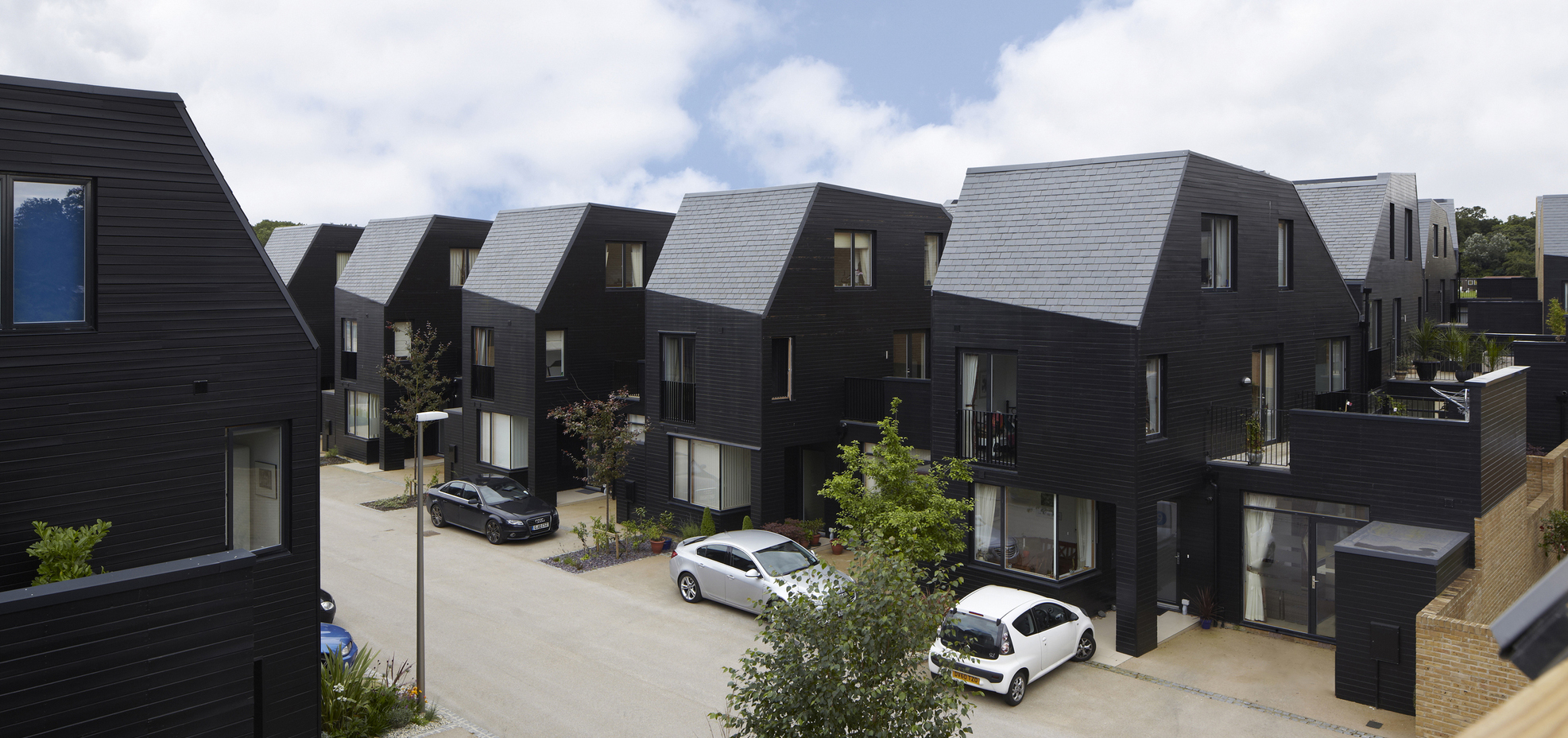
4. Newhall Be
. A new concept in greenfield high density living. Or is it? These black timber-clad boxes promote big windows and open plan internal/ external spaces for the modern needs of housing. However, this scheme is just one part of an extensive ‘new thinking’ residential development in Harlow, Essex. Around ten years ago I visited the recently built Proctor Matthews development called Abode. This was one of the first phases on this site at Newhall. In my opinion the Abode scheme is far more successful than Newhall Be as a modern interpretation of ‘the housing estate’.

newhall be
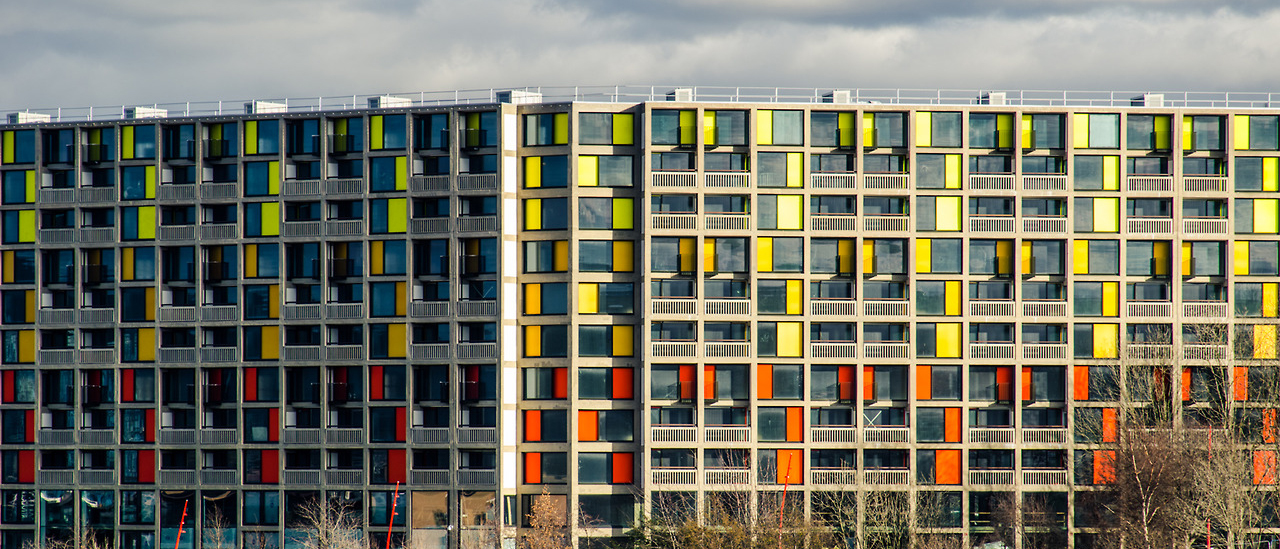
5. Park Hill
. A huge project on the top of a hill in central Sheffield. An iconic concept of ‘new living and streets in the skies’, when first built in the late 1950’s, It’s design was inspired by Le Corbsier, but it suffered social decline and dilapidation over the years. Urban Splash have delivered a very positive conversion of the scheme to create high density living which enjoys two-storey dwellings, with large open-plan living and big window views out. Commercial uses have also been introduced at ground floor. I have seen this project emerge over recent years and have the utmost respect for Tom and Jonny in their work. You have to admire this project, if only for its sheer scale!

Park Hill
6. University of Limerick Medical School. The second Irish project in the mix. This is good design, delivered to a budget. Exposed materials internally create spaces which are flexible, but perhaps appear too basic? A new academic building is the main event, whilst three residential blocks (student living) surround it. I think this image sells it best, but otherwise it doesn’t seem to stand out?

Uni Limerick Medical SchoolSo my vote? Park Hill by Urban Splash.

The winner will be announced on Thursday this week at a ceremony which wont be televised for some reason? The judges this year are;

Sheila O’Donnell – architect, O’Donnell + Tuomey
Paul Williams – architect, Stanton Williams and winner of the 2012 RIBA Stirling Prize
Stephen Hodder – architect and RIBA President
Dame Vivien Duffield – philanthropist and Chair of the Clore Duffield Foundation
Tom Dykchoff – journalist and broadcaster

Common Themes from this years shortlist are;

  • Modesty, Harmony, Make do and mend.
  • Exposed materials internally dominate (concrete/ stone/ brick/ blockwork etc.)
  • Natural Light features highly in all buildings through large windows/ openings.

Do these six buildings represent the ‘cream of 2013’, I’m not so sure personally. I think there are others which should perhaps be in there.

In the BBC programme, David Sillito concludes his documentary by asking the following questions of the buildings;

Does it work?
Does it lift the spirit or corrode the soul?

I think these points are valid. In a world where “austere” has become somewhat of the norm over recent years, the challenges facing architects are ever-increasing. ‘Signature designs’ are perhaps becoming a minority. A much stronger focus on form/ function and user experience are without doubt the most important factors in achieving the best quality contemporary architecture.

So whats ahead? I think we are seeing an emergence of what I’d call ‘layered’ buildings. These are buildings which have a highly insulated functional envelope, but are then over-clad in a further layer of decorative external facade, this offers aesthetic and functional benefits. An example would be Mecanoo’s new Birmingham Library.

The need for Student Housing quality standards?

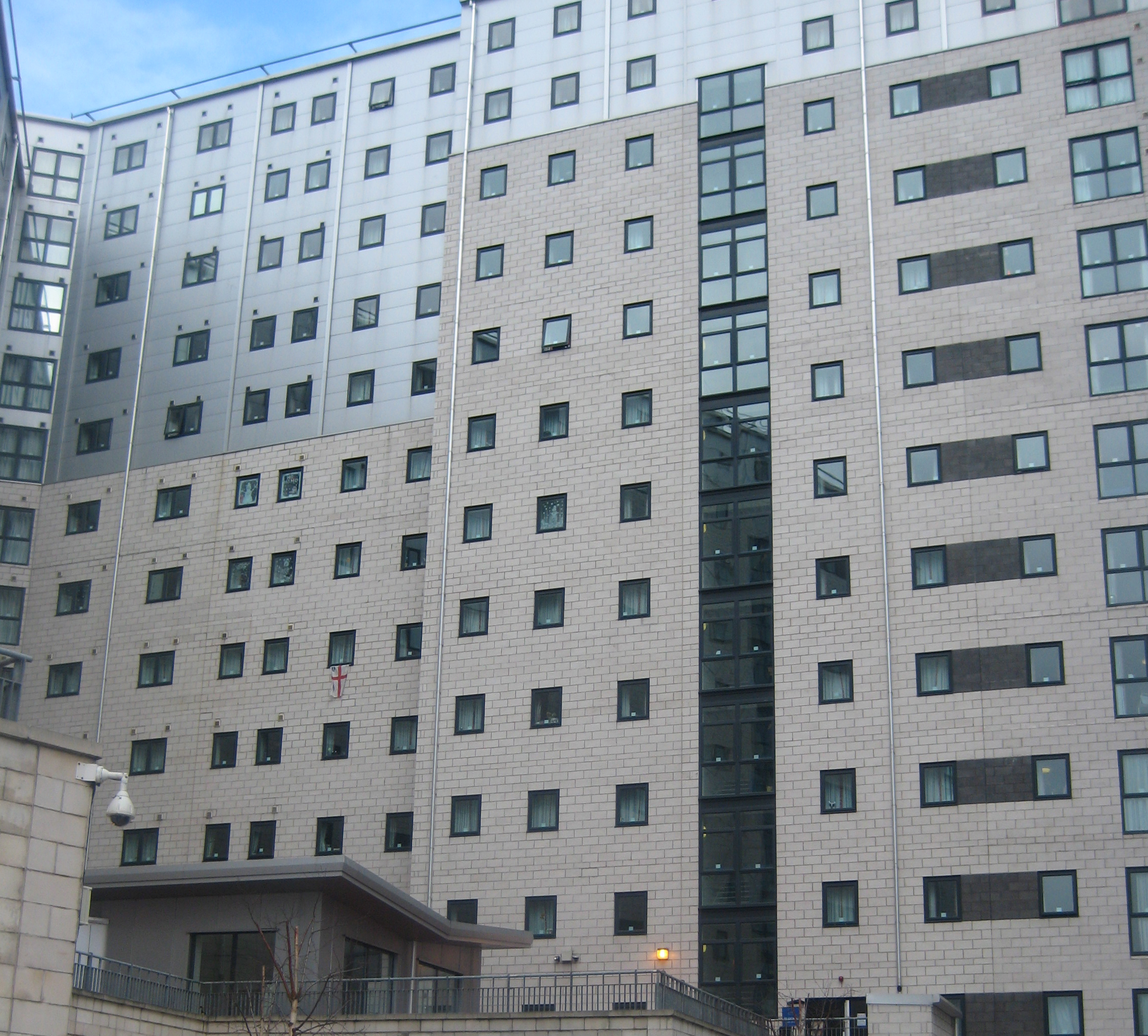
Following the recent award of BD’s Carbuncle Cup to the UCL Student Housing development on Caledonian Road in London, the architectural press have created somewhat of a storm around the quality of student housing and design standards.

1770360_Carbuncle-Caledonian-5-webGG

Above: Calendonian Road, London

Personally I think the media are ten years too late for all this. I believe that in general the design quality of purpose built student housing has improved significantly from early generation developments. There are many reasons for this, not least of which the need for new developments to continually offer more than any existing student housing within a locale. I spoke at a conference back in May about this – you can see my talk by clicking here.

4526064725Above: Early 1st Generation purpose built student accommodation.

There is a continual debate about what contemporary student needs are and how that is designed into purpose built accommodation. Investors and developers remain attracted to student housing, but land values and capital build costs necessitate a relatively fine balance in terms of ensuring schemes are viable – and more importantly; fundable. The rental price point and ensuring maximum occupancy demand are clearly key factors as students pay upwards of £4500 per year for their ‘digs’.

Ultimately students who decide to occupy these buildings are essentially endorsing them by choosing to live there and pay rent. Therefore how relevant is any third party criticism of what others’ think’ is right or wrong?

To give this subject some wider context it is worth noting that the growth of student housing has been fuelled by a shift away from extremely poor quality student housing within HMO’s owned by single Landlords. This sort of accommodation has gained a reputation for shopping trolleys in gardens, damp/ cold homes, within student ghetto’s where transient population issues lead to social problems with owner-occupied homes. Purpose built student housing is a positive and necessary asset class. Students need to live somewhere and the UK higher education system is amongst the best in the world, delivering many economic benefits.

The Government have recently recognised the need to gain a better understanding of this asset class by forming a British Property Federation group, led by Unite MD Richard Simpson, to advise/ support Government on a wide range of policy matters affecting Students and their housing. You can find out more here. This was following the ‘perfect storm’ of 2012 where the sector felt a hit by the £9k fees hike, immigration laws changing and A-level scoring levels being adjusted. I know a number of people who sit on this group and I receive regular BPF communications on current issues being discussed.

One point of contention in the media this week is the size of bedrooms and more specifically their window sizes. On the Caledonian Road development a comparison has been made with a local prison and a suggestion that prisoners get better quality living accommodation than students. A fundamental difference is of course that students can get out when they want – and they choose and pay to live there!

A student bedroom generally serves 2-3 uses; desk based working, sleeping, relaxing (TV, gaming, social media, internet etc). This is fairly consistent with a domestic bedroom within a home. From my experience student bedroom window sizes are broadly in-line, if not better, than modern domestic homes. There are other factors which come into play when comparing purpose built student housing to domestic properties. Student housing buildings are intensely cellular in their floor layout planning. This is largely unavoidable and issues with security, fire separation and heating/ cooling these spaces are always an issue. Almost all doors must normally be closed preventing natural ventilation occurring. Bedroom windows are typically restricted in their opening due to a number of operational concerns with taller buildings. These issues directly influence the practical size of windows. Students also have an increasing range of on-site alternative spaces for daytime occupation. These include shared Kitchen/ Living rooms, common rooms, external amenity spaces, coffee lounges, gyms etc.

I think there are valid points to be made about the need for new student housing to be built of a suitable quality, both internally and externally. But I think this current media hype needs to be considered in a broader perspective. It seems to me that people are jumping on a band wagon here, with little actual knowledge or understanding of these buildings and how they operate.

There will always be exceptions, as with all building types, which stand out for criticism. It is inevitable that student housing would feature highly this year when you consider how strong this sector is whilst other remain slow/ dormant! But this should not open the flood gates for complete sector wide reviews and suggestions of regulatory policies being required.

Summer in Salcombe and the High street lives on!

Sorry the blog has been so quiet recently. The last few months have been extremely busy at work and I have just moved house too! Thankfully we have just returned rested from our summer holiday. Every year we head down to Salcombe in South Devon.

One of the reasons I enjoy Salcombe specifically is because it is the complete antithesis of my largely ‘urban’ work-life spent in London, Nottingham and Manchester etc…

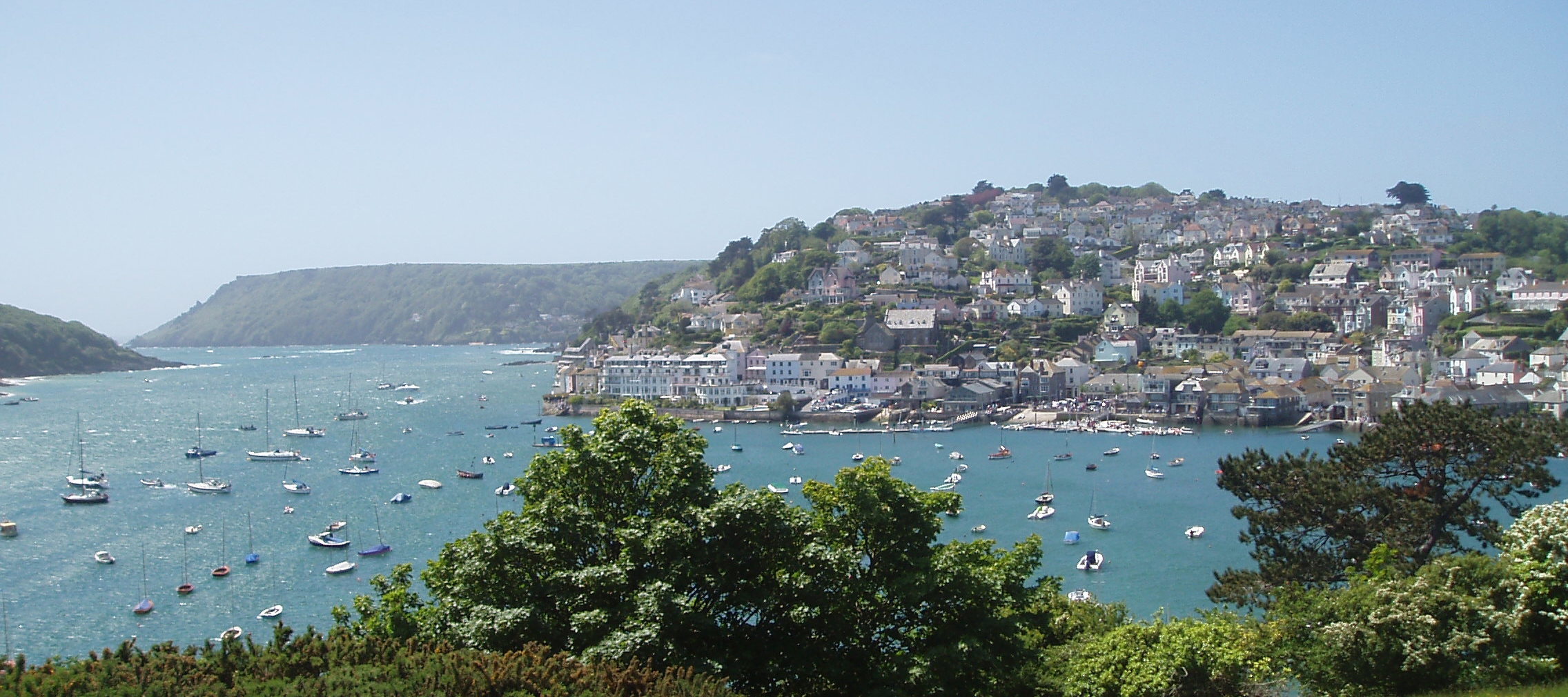
Salcombe is a small town of around permanent 1000 inhabitants. For such a small place, I’m always surprised how many people I speak to seem to know about Salcombe. Its main economy is tourism and fishing (especially shellfish). The former taking the majority. In summer, Salcombe can see around 10,000 people holidaying in a small number of hotels and large number of holiday houses/ cottages/ apartments; a mix of second homes and rental properties. Salcombe’s property market is said to be the second highest outside of London. Sandbanks, near Poole being the No. 1 location.

Wherever you look in the media we are told that ‘the High street is dead’ – well not in Salcombe (in the summer at least). Going back to why I like Salcombe; the high street is a real treat. There is no Costa Coffee or Tesco’s here (or anywhere nearby!). If you want bread, you go to the Bakery (which also turns into a Creperie at night), Meat is supplied by the Butchers, Coffee can bought from several local suppliers such as Salcombe Coffee Company. Ice-cream is in plentiful supply – from the Salcombe Dairy. There’s an amazing, bright pink (!), old fashioned sweet shop called Cranch’s. There are a number of excellent Deli’s, at least five great pubs and an amazing selection of restaurants – all good quality. There is also a wide range of clothing retailers, including the first and original Jack Wills store (49 now exist across the UK). Life here is good. Expensive perhaps, but matched by quality. I suspect the national retailers have been resisted by the Local Authority, but I may be wrong. I wonder if the usual suspects could survive here? Is this place such a niche?

Being in this town you can see and sense the ‘community spirit’. People know each other and seem to work together. The lack of big name retailers and plentiful Independent Retailers seems to give the place unique character, identity and ownership. I appreciate this is largely because its a small town and larger urban centres are more complex socially and economically, but I, like many others, think we should encourage a better mix of Independents in our towns and cities elsewhere. One example I can think of where you do get a sense of this is St. Pancras station in London – a very different context.

Salcombe is a beautiful and enjoyable place to be. Especially in the Summer. I do however appreciate there is another side; The locals have a long and quiet winter to survive. Their reliance on tourism is seasonal and some businesses practically shut down in the winter. Add property prices in Salcombe which continue to rise and are in huge demand. This means its very difficult to even find property here – let alone be able to afford to buy it. This must be a major challenge for the local people to continue to live here, especially first-time buyers/ younger generations. There have been a small number of affordable developments around Salcombe in recent years. I wonder at what point the ‘community’ might start to diminish? No doubt it already has compared with its previous years.

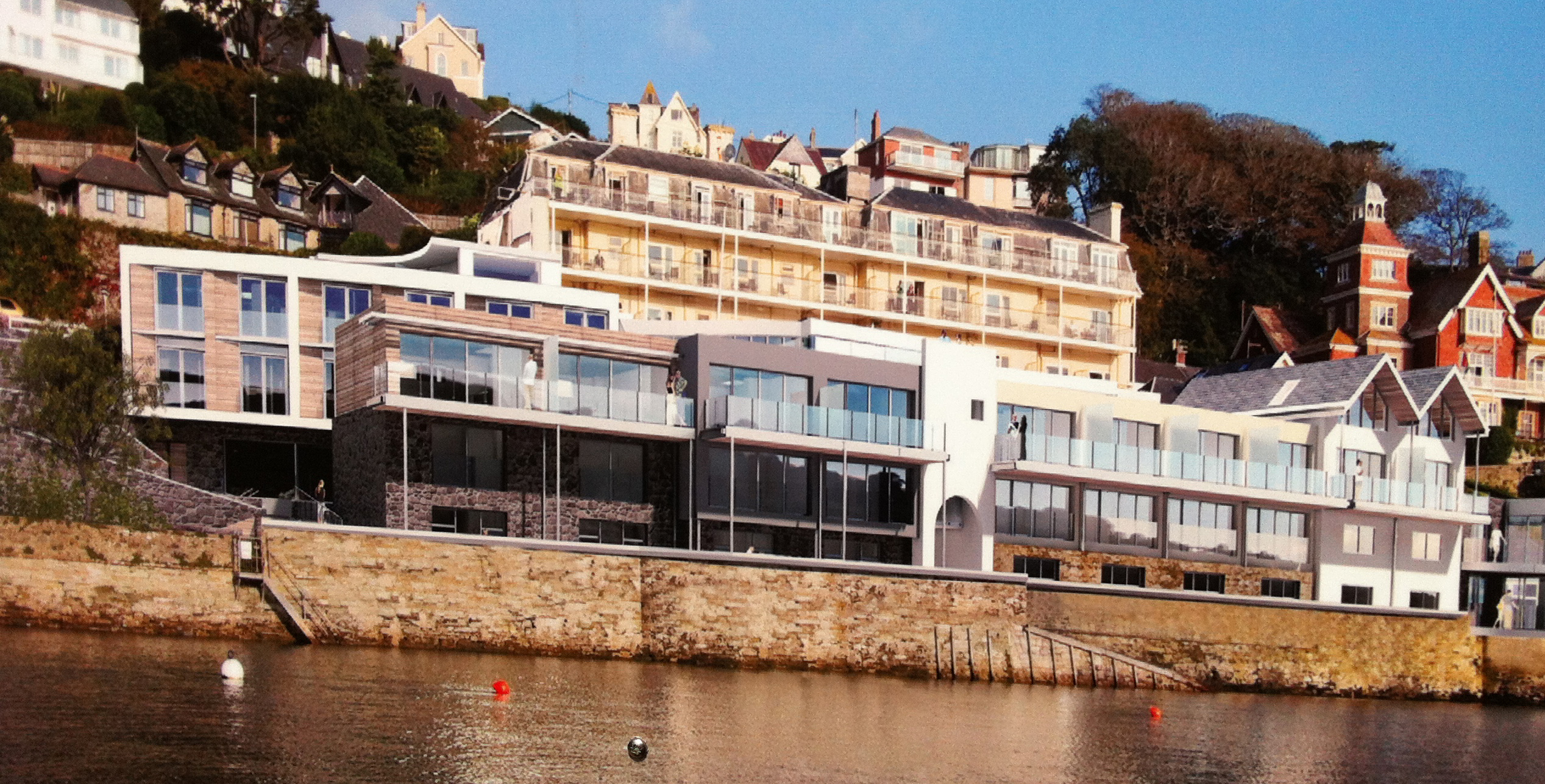
This year is a little different for us, although not for me. Next to our apartment is a building site. Harbour Hotels with Galliford Try are redeveloping the Salcombe Harbour hotel. They are downsizing and upgrading the hotel offer in terms of rooms and building 14 new residential properties on the waterfront. The scheme is called Estura and houses range from £1.4m to £2.4m – no affordable housing here! This project, or others like it, have been in the pipeline for many years on this site. Its good to see something actually happening in one respect.

Salcombe has a great high street and a thriving local economy, from May to October at least. Its a small place, but punches above its weight, defined by a unique and characterful economic and built-form fabric. This gives it a clear identity which I have no doubt is key to its success and attractiveness.

Tomorrow I return to work and no doubt normality and my busy lifestyle will resume quickly. We have some good things happening in the next few weeks, including some big developments for our Manchester office – more on that to follow soon…