All posts by nickrileyarchitect

Nick is a qualified Architect, with over 15 years experience. He has led projects up to the value of £50m. Nick is Board Director at Lewis and Hickey Ltd and is responsible for reporting on the Manchester office and Group Business Development. His main office base is Nottingham. Nick lives in Derby and is married with a young daughter. He enjoys playing golf (badly!) and follows Formula 1 and motorsport in general.

The sound of Formula One…

Back in September 2001, just 2 weeks after 9/11, I went to Indianapolis to see my first F1 race live. It was an amazing experience in so many ways. I had grown up watching F1 and being there amongst the action was a great moment. The biggest lasting memory I took away from that weekends racing was the immense and utterly deafening sound that came from the V10 engines. I’d seen lots of Motorsport over the years, but F1 was unique and I’d got the bug for it.

Over the years I’ve travelled to numerous F1 races including Monza in Italy, Silverstone and Spa in Belgium. The latter I’ve been to several times and would highly recommend for a long weekend.

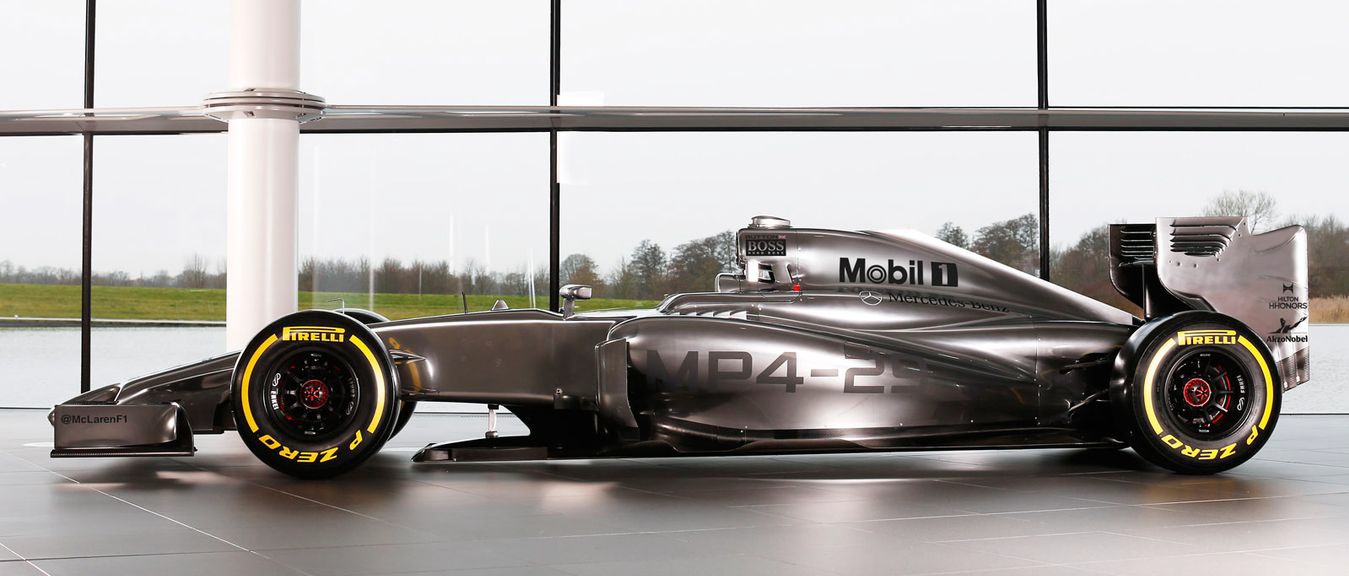
This weekend I’ve watched the opening race action from Melbourne in Australia, that’s another circuit I’ve visited, but sadly not for a race on that occasion. The 2014 regulation changes are pretty big. So much so that, during pre-season testing, they appear to have flummoxed the previously unstoppable Red Bull team. This is of course good, especially for ‘Team GB’. For the most part I think the cars look good this year, accepting some unusual nose jobs!

mclaren mp4-29However what is not good is the sound emitted from the new, much smaller, V6 engines now being employed. F1 cars now sound like many other race cars, even some high end road cars?! This is a massive disappointment and I’m sure much criticism will emerge on this subject.

One of the most important and defining elements of F1 has been lost in my view.

This season will be interesting, despite being quiet! Who will win the title? My hope, as ever, is for Lewis or Jenson to find form and pick it up again. I’m disappointed that Scotsman Paul Di Resta hasn’t got a seat this year, I hope he’ll be back. My money is on Mercedes doing something special again in 2014.

In 2001 Michael Schumacher just lost out to Mika Häkkinen’s last ever F1 win in the USA. However Schumi took the title. Time will tell this year where his life will go from here.

My MIPIM 2014

It’s been another busy and exhausting, but enjoyable and productive, trip to Cannes for me. This is my third consecutive year at MIPIM and I’d say this trip has been my most successful to date in terms of outcomes. The really important bit now is the follow-up’s. The atmosphere has been better as well; London is booming and there are strong signs of a return to property investment and development in the regions going forward.

Beyond the many meetings and getting some great new contacts/ leads/ intel and opportunities, some of my defining highlights this week for me have included;

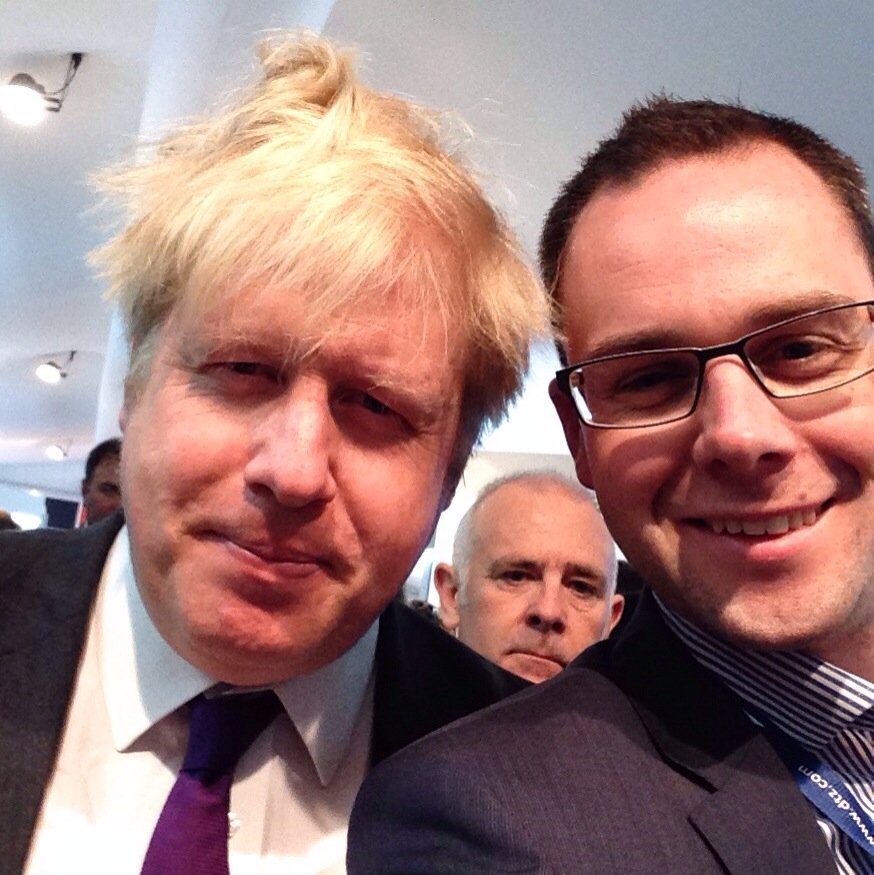
– Getting a selfie with Boris Johnson! – Not sure who the Photo-bomber was!? You can see the MIPIM keynote address by the Mayor of London by clicking here.
– The excellent Shedmasters lunch up in the hills.
– Dinner with friends of Innes England and Cricket legend Derek Randall.
– Meeting footballer, turned Property Developer, Gary Neville on the Manchester stand.
– Lunch with Willmott Dixon and Louise Brooke-Smith, who will be appointed global President of RICS later this year.
– Getting some good Twitter coverage in terms of retweets.
– Seeing the Invest in Nottingham video to promote the City. It’s edgy, fresh and dynamic – click here to see it
– Finding the ‘New London’ App recently launched by the NLA and Estates Gazette. It’s an interactive map of all London boroughs and provides key information on all major developments – a very useful tool to have. You can download it by clicking here.

One of the most interesting points I picked up this week was from Tom Bloxham of Urban Splash. I spoke to him a few days ago and asked “what does the future hold for urban living?” He explained that during the Industrial Revolution the factories dominated the cities and that peoples class/ wealth determined how far out of the city they could live. Today, thanks to cities like Manchester, people are living in the city centres again. This has wide ranging economic benefits. For city living to be sustainable long term, a greater degree of diversity is required to provide housing for ALL ages/ needs, this should include older people and of course young families. A key component missing in most regional City centres these days is schools. If these can be provided, then the diversity and economy of our cities will continue to grow.

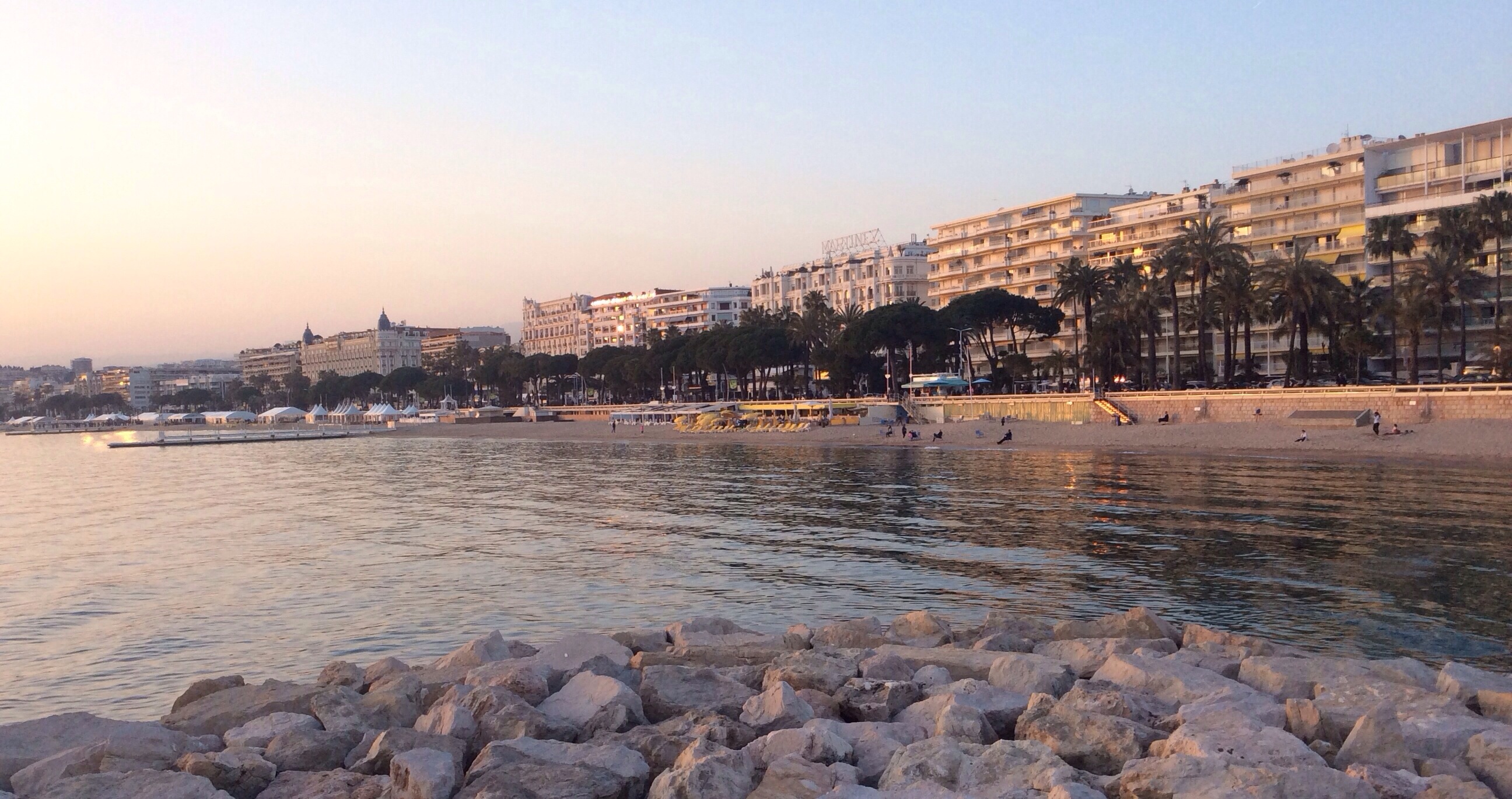
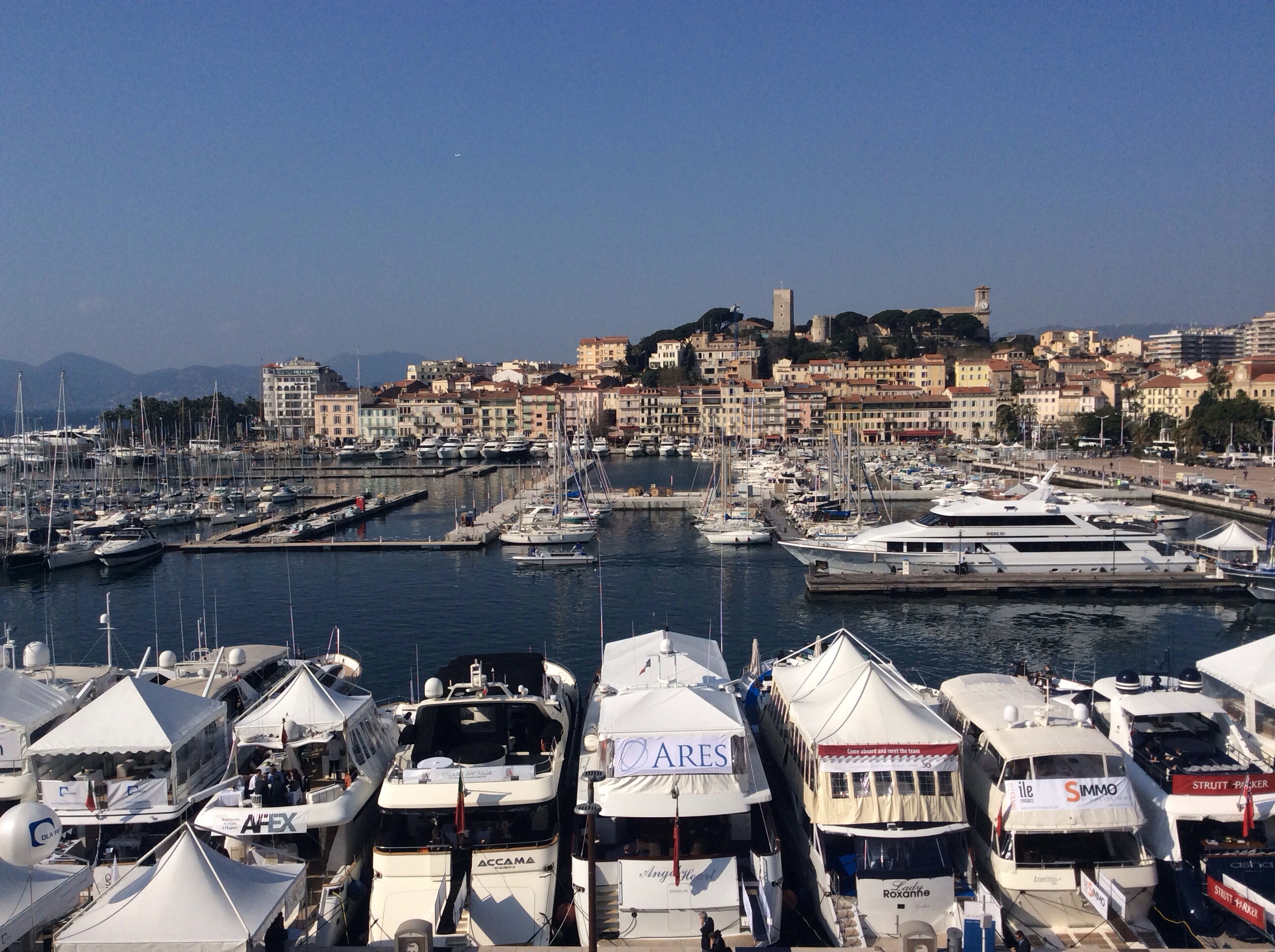
Here’s a few photos from this year…

20140313-222716.jpg

20140313-222732.jpg

20140313-222824.jpg

20140313-222911.jpg

20140313-223023.jpg

What makes MIPIM unique?

It’s hard to believe that another year has passed by since I was last in Cannes for MIPIM; The international property conference. It’s a big event attracting around 25,000 delegates from around the world. The theme of course is Property Development and people from every area of the sector come along to network and seek deals and opportunities. High profile attendees this year include; Boris Johnson, The Candy brothers and ex-Manchester United player Gary Neville, who will be talking about his development company.

mipim25Two very common questions I often get asked…

What is so special about MIPIM?
Why go to Cannes to meet people from the UK?

If you’ve not been, it’s perhaps easy to imagine that this is a jolly. It’s certainly set in a stunning location where the sun is shining and there is a lot of money floating around; expensive hotels and restaurants, big boats and fast cars. But, being here in my third year now, I can tell you that it’s hard work. People are here for a good reason; to do business. I have over 30 appointments in my diary over the next 3 days. I will be up and out by around 7am and back again after midnight. It’s a marathon. My intention is simple; to return with as many contacts and leads as possible.

The entire MIPIM event is unique. The environment sets the scene for a very different mindset. People, generally representing the top of their respective organisations, are away from their day-to-day working routines. There are no boardroom formalities and people aren’t thinking about a hundred other things. Generally people are here to focus on the job in hand. Therefore you can connect with people so much more easily – and they are much more receptive to talking. This is what makes MIPIM special.

I’m representing my new company WCEC this year, in only my second week with the company! We have some great experience and current projects to talk about this week. Our company has been built up through our long standing partnerships with Morrisons and Asda. This has enabled us to build a strong port-folio of town centre regeneration, supermarkets, convenience stores, mixed-use regeneration and also logistics/ industrial, to name just a few. Beyond that our recent work has included hotels, leisure and residential.

Residential has been a big growth area for the business in recent years. Our teams are currently working on a number of high-profile urban developments in London and the South East. Our signature project at present is Royal Wharf in the Docklands, the first phase of which is worth £250m. We have also built up a team delivering Permitted Development projects for Office to Residential conversions.

Delivering all of the above, is a focused and diverse team of around 120 staff offering a broad range of group services. A key one at present being BIM (Building Information Modelling). We have been actively involved in BIM for around 8 years now – there’s probably not that many architects who can say that! Until last week my knowledge of BIM was pretty limited. It strikes me that there is a lot of ‘talk’ about BIM, but a lot of people probably don’t understand it and are certainly not well placed to effectively deliver it. I am in no doubt; BIM is the future to delivering buildings and running them for their lifetime. WCEC are delivering projects for all our clients in BIM, using Revit and a number of other programmes. We believe we have developed a real expertise in BIM, so we have a separate consultancy which provides services to the wider construction sector. This is in big demand at present.

Whilst I’m over here, in between my meetings, I’ll be seeking an overview of the property markets. What’s the forecast? Is London really over heating? Are the regions coming back? I’ll be spending time at the London, Manchester, Birmingham, Sheffield and Leeds stands. I’ll also be seeing my good friends and acquaintances at “Team Talented Nottingham” to learn more about Nottingham and the East Midlands plans. You can see the brand new Invest in Nottingham website here. They also have a MIPIM specific website here.

Royal WharfI’ll be blogging a bit more through the week, as and when I get a few moments…?


The next chapter. WCEC Architects

If you’ve been following my blog recently you’ll know by now that I’ve now left Lewis and Hickey. The last week has been emotional, but enjoyable, saying thank you and goodbye to lots of friends. I’ve had some really positive feedback from all sorts of people, both within and outside of the business, about my departure from L&H. Thank you sincerely for your kind sentiments and best wishes.

The future looks exciting for me. I’m certainly looking forward to getting started now at WCEC. I’ll be based in the Chesterfield office where around a hundred staff work from. That means they we are one of the largest practices in the East Midlands! Although, being honest, a lot of people don’t know of WCEC. This is something the business is already aware of. Part of my role will be to help develop the profile of the company to a wider audience/ client base. I believe I’ve already done this to some extent at L&H, so hopefully I can add value through my experience. I’ll also be working from the London office which is developing a strong client base and workload in the South East. My time in London has increased over the last couple of years due to clients being based there, so a physical presence there will be good for me and the company.

You can expect to hear lots about my work and the business on this little blog which has created a good following in the last two years.

First of all I will be heading over to MIPIM next week in Cannes! I’ve attended for the previous two years and according to Reed Midem I’m now a “Silver” delegate?! I’ll be flying the flag for WCEC – and no doubt catching up with a few known faces whilst out there too. My diary is already looking rather full, but don’t hesitate to get in touch with me if you’re going…

west hamstead square

Image above | West Hamstead Square, London.

Who are WCEC?…

Celebrating over 40 years as Commercial Architects, WCEC has developed a reputation for design and technical excellence which puts us at the forefront of commercial architecture in the UK.

The practice specialises in town centre urban regeneration schemes, and is currently working on multi-million pound schemes with some of the biggest developers in the industry to transform the fortunes of towns up and down the country.

Renowned for many years as the UK’s leading designers of out of town retail developments, we have diversified over the years and now deliver innovative and sustainable town centre schemes which not only encompass retail, but also leisure, residential, hotels, offices and business parks.

We pride ourselves in creating innovative design that meets client aspirations and is delivered both on time and to budget.  Our success is evidenced by our long term relationships with clients such as retail giants ASDA and Morrisons and year on year increases in turnover, profitability and workload.

The business is wholly owned and operated by three partners; Alex Wall, Ashley Turner and James Kemp.

What sectors are we active in?…

Mixed-use | Residential | Retail | Commercial | Leisure

What service offerings do we have?…

WCEC offer a complete range of in-house Architectural services which includes; design, master-planning, interior design, technical production and visualisations/ animations.

The business has already invested heavily in BIM in recent years and is using Revit extensively in a number of work sectors. There is still a lot of debate in the industry about BIM, but it really is moving fast now and a lot of companies are getting on board. We also offer separate BIM consultancy services to the wider construction sector and that is seeing some strong demand at present as other firms get to grips with the new generation.

Our sustainability services include; BREEAM accredited professionals, Code for Sustainable Homes assessors and membership of the Green Register of Construction Professionals. This enables us to combine our commercial background with specialist informed understanding to offer holistically sustainable design.

One development  I’m likely to be have some level of involvement in is Royal Wharf in the Docklands. It’s a project with Ballymore and is described as ‘A new waterside village for London’. This scheme, located adjacent to the Thames Barrier, was in Property Week last Friday.

Royal wharf_LRImage above | Royal Wharf, London.

So that’s a brief introduction to WCEC. As I said; you’ll hear more going forward. But please don’t hesitate to contact us should you wish to know more about our business…

www.wcec.co.uk

Car design evolution

I’ve recently been choosing a new car. There’s a small dip in the floor at my house where a pile of car brochures lay over the Christmas break! And I’ve driven my wife slightly insane with my deliberations! Choosing a car is a complex process – and an enjoyable one too.

Having looked at all sorts of cars I’ve become slightly confused by one of the latest trends in car design; the dashboards. It seems that car manufacturers are keen to get on board with the latest consumer preferences for touch screens, as with the iPhone/ iPad (and other similar devices). In fact in-car technology is aligning with the functionality of smart phone devices too with full internet connectivity and TV etc. Why? You cant use it when you’re driving and you can do all that on my iPhone or iPad anyway.

Most car dashboards are now dominated by some form of ‘screen’. Indeed my new car has two screens; one for the SatNav etc and also the dials behind the steering wheel are presented on a TFT screen too!

What confuses me is that manufacturers are replacing switches and dials for touchscreen technology. This sort of works, but these screens aren’t small! A particularly hideous example is on the luxury electric Tesla Model S (which will set you back around £70k for a top spec version). This has two screens, photo below…
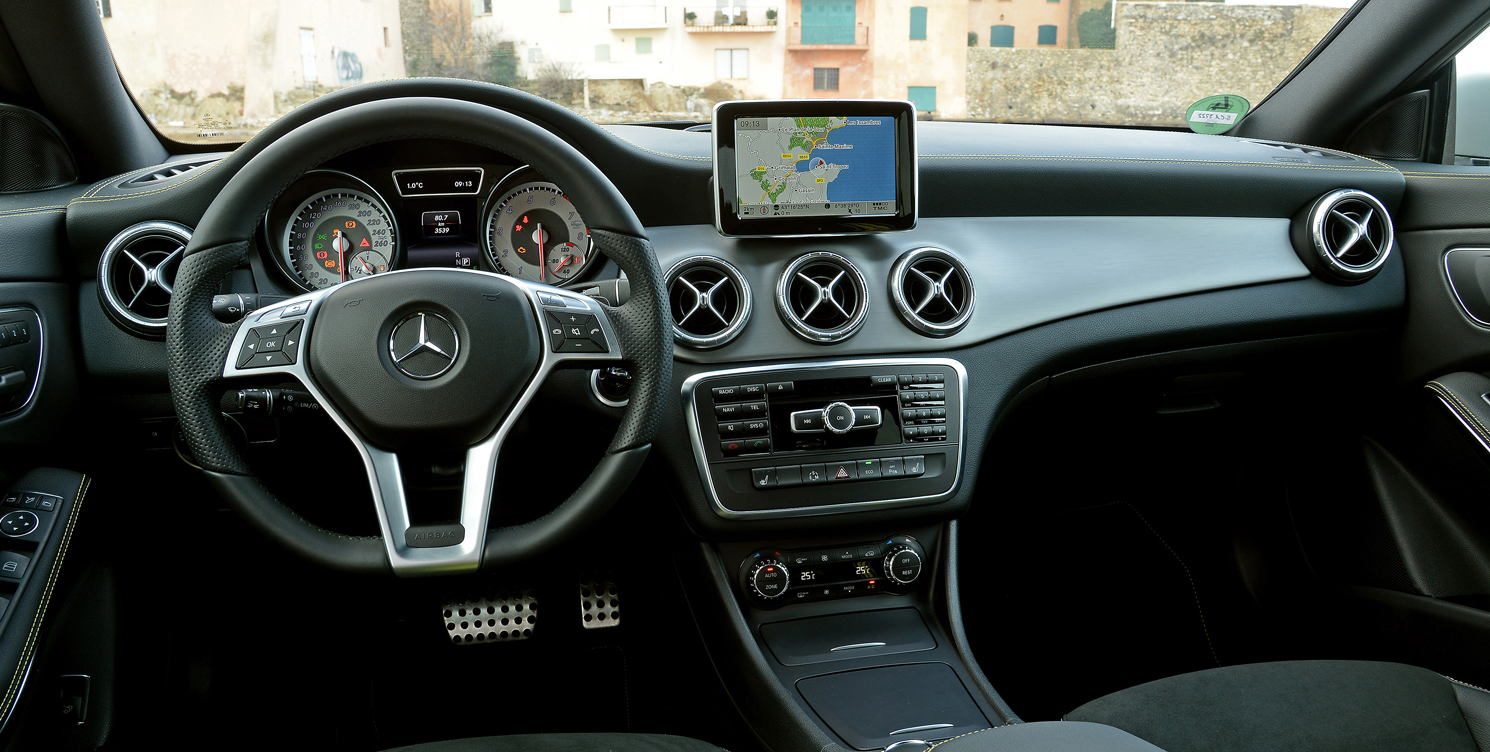
teslaAnother strange one is to permanently ‘attach’ a screen to the dash – a sort of bolt on hybrid that’s a cross between an iPad and an oversized SatNav device. Mercedes have favoured this one…
mercedesSurely most consumers want to see designs which are integrated and discrete? The other thing, which I experienced recently whilst driving along some dark country roads, screens emit a lot of light! This is can be a real distraction when driving – not to mention if there are lots of things actually happening on the screen.

Suffice to say that my new car doesn’t have a bolt on/ supersized screen. And I’ve resisted the perhaps predictable german brands too! I’ve ordered a Volvo! This might provoke a snigger or remarks about straight lines, even “its a stereotypical architects car”, but I think Volvo are changing their image and their design philosophy has evolved a lot. In fact, their cars tick a lot of boxes now. I’ve been impressed so far. I will wait until mine arrives in May before a full judgement. This is what I’m getting…volvo xc60

A fond farewell and a new chapter begins…

The news is now “official”. After 14 positive and progressive years with the business, I am leaving Lewis and Hickey at the end of this week (28th February). There is no doubt that this has been a big decision to make, but I very much hope it’s the right one.

the-next-chapter-1I’ve seen a lot of change in this chapter of my career, both within the company and the wider industry generally. I started at L&H as a junior CAD Technician, I leave as group Board Director and managing director for our Manchester and Nottingham offices. I’m immensely proud of my achievements and story so far. For a good part of my 17-18 years in Architecture, there has been a lot of positivity and growth. I was convinced by around 2006 that I could run my own company. This was of course a naive view because the world changed in 2008! In recent years I’ve gained some incredibly important and valuable experience on the very real (and sometimes negative) aspects of running a company. The sort of things that I suspect I will reflect on/ use for the rest of my career.

The wider economic outlook is, I think, looking much more positive. That’s not to suggest we are completely out of the woods, but things are definitely improving. So, the recurring question I’ve had over the last week; “Why am I leaving?” There are many…many reasons!

I firmly believe that Lewis and Hickey is a good business. I’m proud to have been part of the company and I genuinely wish my friends and colleagues here the very best for the future. I hope I’ve made an impression (good or bad) in my time, but I’ve no doubt the company will forget about me soon enough. I have made a conscious and substantial effort to leave the company positively in handing over my duties. Kevin Smith will be taking a lead in the Nottingham office and I have a lot of confidence in him, even though we’ve only got to know each other properly in the last year or so. A new recruit, Clive Panter, will be leading the Manchester office.

So back to the question. Over the last year I have felt that my day-to-day challenges have been too great. I’ve been trying to fulfill 2-3 roles within the business and this has taken its toll on me – personally. A large proportion of my time has become consumed in operational activity and, whilst this is important and I feel I can do this role, it’s not where I believe I can make a real difference and I simply don’t enjoy it as much as other things. I’ve also come to realise that spreading yourself too thin means you quickly become ineffective.

I’ve always enjoyed my job. It’s important to – if you can. I believe that success, motivation, determination and progress are all driven by enjoying what you do. If you don’t enjoy what you’re doing, why do it? If it’s simply for the money, then that’s fine. I understand that. But that’s not how I work. Don’t get me wrong, reward is essential, but I also believe that having enthusiasm in your work makes you stand out. Enthusiasm in what you’re doing conveys confidence and that, in turn, provides tangible results. That’s much more what I’m about.

The ‘Thank you’ bit…

I’ve come across many great (and, being honest, some not so great) people in my years at L&H. Of course, some people stand out. These are the people who have had confidence in me – and in turn have given me confidence. They taught me important lessons, picked me up when I needed help and informed my career development in different ways. These people are;

  • Colin Wilkinson – who employed me at L&H.
  • Clive Welham – My MD in Nottingham for a number of years.
  • Jason Ainsworth – Who I went to Uni with – and I’ll be working with again shortly!
  • Brett Stevenson – Who I first met at the beginning of my career and has become one of my best friends.
  • Antony Phillips – Ant and I designed the Si Yuan Building at the University of Nottingham – a highlight for me so far. He’s a great Interior Designer – who could/ should be an Architect!
  • Mike Alete – One of the most talented design architects I’ve met to date. A genuinely decent and engaging guy to work with.
  • “Two tall guys from Manchester” (who will remain nameless) – Despite some challenges, due mostly to different business agendas, I learnt a lot from them, especially in Student Living.
  • Mike Pring (formally of CPMG Architects) – Who worked with us for a period. I enjoyed working with Mike who I admired as an Architect.
  • Mike Jauncey – For his straight talking approach to business, for believing in me and pushing for me to join the Board.
  • Andrew Talbot – My good friend and former colleague deserves the greatest degree of appreciation. He not only got me through a tough period at Uni, but he taught me the importance of enjoying your work and doing it with enthusiasm.

Of course a special thank you to my board colleagues; Paul Miele, Tim Hall, John Meade, Peter Daines and Colin Nicol. You are great guys and I very much hope we can keep in touch. Despite some challenges, I have enjoyed our time leading the business and will miss you all. Thank you particularly for inviting me onto the Board.

Thank you sincerely to everyone else who have been part of the journey. That’s not to say that you’re at the bottom of the pile, far from it. There are so many people I’ve worked with along the way. If you’ve worked with me at some point; thank you and good luck.

A special mention to someone I’ve worked closely with in recent years. Jacqui Gillen and I started working together around five years ago. I still struggle to refer to her as a ‘PA’ or ‘Assistant’ because, whilst she fulfilled a lot of support duties, she did much more too. She has stood alongside me at many points and even led me at times. We have shared views and ideas on how to do things and have achieved a lot together, far more than I could have done on my own. She has been unquestionably dedicated and committed to all her work, more than many other people I’ve worked with. I will miss working with her greatly. Thank you sincerely for all your great work. Good luck.

Finally, the person who was there from the start. The person who has never worked for L&H, but probably knows more about the business than many others. The person who is always there to listen to how my days have gone and offer balance and perspective at times. The person who very rarely complains about all the late nights, weekend working and nights away. The person who has been an utterly amazing mummy to our four year old daughter and answered the recurring question; “when will Daddy be home?” The person who really drives and motivates me to continue pushing. I’m talking of course about my wonderful wife. Thank you for everything! x

More to follow shortly on the next chapter at WCEC Architects. But ones things for sure from my perspective; I’m going to enjoy it.

The reality of fighting cancer – a special blog

I’m going rather ‘off piste’ with this special blog, but I want to show my support and hopefully raise the profile a little more of the terrible range of diseases referred to as Cancer. Perhaps more specifically, this is about the reality of fighting and living with the disease.

I suspect most people in the world have some personal link to Cancer, either personally or perhaps more commonly through family/ friends etc. I know its still something that some people struggle to talk about which is entirely understandable. Fortunately my personal experience of cancer in relation to close personal family/ friends is rather limited (and long may that continue!), but I do know many people who’s experience and loss have been significant. It is an utterly cruel disease.

Recently I have met with a close former colleague Theo Pywowarczuk. Theo was unfortunately diagnosed with cancer last year and has undergone an intensive course of treatment (radio and chemo therapy) over several months to fight the cancer. I met Theo back in September last year and he told me his recent news and impending treatment plan. These moments in life are real levelers and can alter your perspective. He was determined to fight it with everything he had. And he did. No doubt Theo suffered a lot of pain, both physically and mentally, but he maintained a phenomenal outward positivity and optimism throughout his treatment about coming out of the other side.

Having now completed his treatment, he has had some positive feedback on his progress. It’s very early days of course and he’s acutely aware of that. However despite the torment of the treatment he’s endured, he’s positive still. His life is different in many ways, but he’s taking everything he can.

Theo has received some outstanding assistance from the MacMillan cancer support organisation; a charity which he is keen to payback in some way. He’s currently supporting them by writing about his experiences in relation to the reality of fighting cancer. He’s now created a blog site which can be seen at http://theo392.wordpress.com/ This is a very open and honest log of his treatment, its effects, his feelings, challenges etc. This is not the sort of read you maybe do for leisure, but if you can relate to Cancer, or know someone who is struggling, this might just offer a little support – or a shared experience/ perspective…

Good luck Theo – and anyone else out there who is currently affected by cancer.

The art of Business Development

As part of my role with Lewis and Hickey, I’ve been actively involved in Business Development for around seven years now. It’s been an interesting journey, from a standing start really, which has been largely self-directed. Indeed business development is not something you can really teach/ learn in any sort of formal way I don’t think. It’s about who you are as a person and how you engage with people. That’s a natural thing that you’ve either got – or not. A lot of Business Development work is a form of sales; selling your business, experience and ideas, to generate new business with new and existing clients.

There are many other areas of Business Development activity which focuses on how you promote yourself/ company and also how you manage your company from an operational perspective. I’ve played a lead role in trying to change some of our culture within the company; something which Richard Branson states is one of the hardest things to do in business! Getting people to think and act differently when habits and ways of working have been long established is a challenge, for all concerned. However I have maintained the strong view for sometime now that the way we do business has changed and will continue to do so. The same can be said for Architecture and the Construction Industry as whole.

I remember being sat in a supply chain briefing meeting many years ago at the Boots HQ in Nottingham. The speaker said that Retailers can never stand still if they want to survive; they must keep evolving and changing to reflect and respond to market drivers and consumer choices. The same is completely valid in business generally.

I regularly get invites to meet with people under the banner of a “Business to Business” (B2B). This idea/ format has been around for a while now and provides a simple and open agenda to introduce two companies and seek out opportunities to work together. Recently this concept has been challenged and is now refereed to as “Human to Human” (H2H) meetings. This is actually nothing new to anyone who understands BD/ Sales, but is a far more accurate idea/ title. Fundamentally any tangible outcomes from two companies introducing themselves will be determined by whether those two (or more) people in the room get on with each other. This is a personal thing. In life, we all want to be around people who we get on with and this affects how we do business.

Human 2 HumanImage above from LinkedIn this week.

I see success in Business Development being heavily influenced by three key components;

  1. Be personable. Understand people and what they are about. Find some personal similarities. A family friend of ours, Simon Gallyer, who sadly passed away was a lawyer. He told me once that you need to remember 1-2 personal things about your most important clients; their children, their hobby’s, what sports they follow etc. Reference these when you see them. That demonstrates that you remember them and makes the relationship personal.
  1. Have a strong network. I think I’ve built up a good network of contacts, this is really important. It can be done in many ways and Social Media has been key for me (LinkedIn, Twitter and of course this little blog!) Speaking with authority on what you think about your world is again important. Having some sort of public profile is essential and that involves getting out, talking to all sorts of people, pushing media exposure and having something relevant to say. My wife recently googled me and was really surprised by how many things came up. To be honest a lot of the links relate in some way to my blog, but its still proof that I can be found pretty easily and have generated a public profile. Having a strong message about your business is critically important, this relies on being confident on your subject and passionate about what you do; delivering it with conviction.
  1. Be able to join the dots. The last thing is what really counts I think. You can have a network and get on well with people – and that might be effective in generating business to a point. But being able to link other people and companies together has real added value. You need to think constantly about what you are doing and how you can make a difference. That will define you and make you memorable. Generating business is definitely not a one-way street, it needs to be reciprocated. And that’s where personal relationships count, a referral from someone else is valuable, to both you and your client. People only make referrals for people they know, can trust and they believe in their abilities/ offer.

One thing I have definitely learnt in my time doing BD is that cold calling and writing generic introduction letters/ emails has never worked! It’s impersonal and meaningless in my view. Any potential cold approach needs to be informed, relevant, well considered and directly applicable to the specific target recipient. Even then you probably have a very outside chance of getting a response.

I could probably expand on the above in many other ways, there are lots more layers. I will however restrain myself as I don’t want to go on about this too much and become a bore (that’s another key thing to remember too!) The points made above I believe are valid and have certainly influenced my journey so far.

Business Development is influenced and driven by personality.
It’s about relationships – and that is an organic evolution which is built on trust, respect and effort. The more you put in, the more you get out.

Connectivity Progress | Digital vs Transport

Facebook has turned 10 years old this week. I know this mainly because they have launched a feature which captures your ‘best bits’ in a mini video with music – Facebook is currently full of them! It’s quite phenomenal to consider the evolution of social media in just ten years and how it now influences and affects our lives in so many ways in modern culture. I am a big supporter of social media; it goes way beyond keeping in touch with people. I have many experiences of how these channels can be incredibly impactful in business. Social media is here to stay and there’s no telling how it will evolve further in the next ten years. But it will.

Thumb up hand with like text on button. Isolated on white.I’m currently ordering a new mobile phone and am pondering whether to opt for 4G. I suspect its probably necessary, but the rapid development of super-fast WiFi/ Broadband and mobile networks further supports our ever expanding need for faster connectivity and increased data usage. I heard this week that 90% of online stored data in the world was created in the last 2 years, this is due to Cloud technology. The digital world continues to move at an incredible pace.

My Dad worked for BT for over 27 years. I remember in the late eighties/ early nineties he’d bring those green phonecards home (which I used to sell at school! Sorry Dad, not sure I’ve ever told you that). He also brought home a sample of fibre-optic cable (or photonic crystal fibres to be precise) when that first came out. I was amazed that this hairlike tube could apparently carry millions of phone calls (not to mention ‘data’ which was a lesser know concept at that time).

In contrast to the digital revolution, it seems to me that our ability to move around the planet is regressing. This is confusing to me. From the mid-seventies, for some twenty seven years, it was possible to fly around the world at supersonic speed thanks to Concorde. Myself and a colleague, Jason Ainsworth, were lucky enough to go on Concorde once, admittedly though it was firmly on the ground at Duxford! Concorde could get from London to New York in around half the time we can now. It’s now over ten years since Concorde retired and planes have become more efficient, bigger and marginally faster, but its surely still a sizable step backwards.

ConcordeLikewise, after years of debating whether motorway speeds should be increased to 80mph, the Government have recently announced plans to trial 60mph speed limits on the M1 in Derbyshire? This is apparently to improve air quality in these (rural) areas. I wonder if/ how the Government have factored in the rapid progression of car engine designs to their plans? New engines are increasingly quieter and more fuel efficient, with substantially less Co2 emissions. The 60mph idea would also provide; “reduced congestion, increased capacity and improved journey time reliability for users of the motorway”. The M1 was built in the late 50’s. More lanes to increase capacity is the solution. I’m not sold on the 60mph idea just yet. Mainly because it will affect me personally.

East Midlands TrainsAnd finally our trains. Britain pioneered the railway – and then, its seems, many other countries overtook us. For sometime I’ve been frustrated with our ageing trains. Some of the trains I regularly catch down to London are older than me! And don’t even get me started on trying to use East Midlands Trains WiFi “service”. However, we have all been sold the dream of the forthcoming HS2 network which promises benefits to business and the UK economy. Phase 1 will be live in 2026, with Phase 2 becoming live in 2033. So that’s between 12-19 years from now?! And lets be honest; there’s every chance these dates will slip a bit. The big benefit we will all realise though is faster journey times to the capital. Well, actually we wont.

According to the HS2 website the current journey time from the “East Midlands Hub” (presumably East Midlands Parkway?) to London is 91mins. In around 15 years from now the HS2 journey time will be just 71mins. Very good. That’s a 20 minute reduction. But they are locating the (new?) station between Derby and Nottingham. Therefore most people who might be using these “super-fast trains” will have to travel extended distances to get to/ from the station. I reckon the journey time from central Nottingham and Derby respectively to somewhere around Toton is approx. 20-25mins (totaling around 96mins). You can see my point now perhaps?

Interestingly my current journey time from Derby to London is 89mins. HS2 will, it seems, be slower for me (and I rather suspect a lot of other people too potentially). The only people who will benefit are those who travel from centre to centre (i.e. with no additional travel at either end).

The point here is that modern lifestyle and business needs fast and effective travel more than ever. The Digital world has boomed in ten years, but more needs to be done to provide long-term solutions to our travel infrastructure. The ideas being discussed seem to be more like sticking plasters to an already struggling system.

Digital development; *Like*
Our ability/ prospects of getting places quicker? I’m not convinced we are progressing.

One final mention must go to Bombardier in Derby. I live in Derby and the city’s “Trains, Planes and Automobiles” is a convincing one with fantastic heritage. Bombardier’s recent contract is great news for the local economy.